Cataract and lens planning
Cataract & Presbyopia
Replace a cloudy lens and discuss vision needs, lens options and the possibility of still needing glasses.
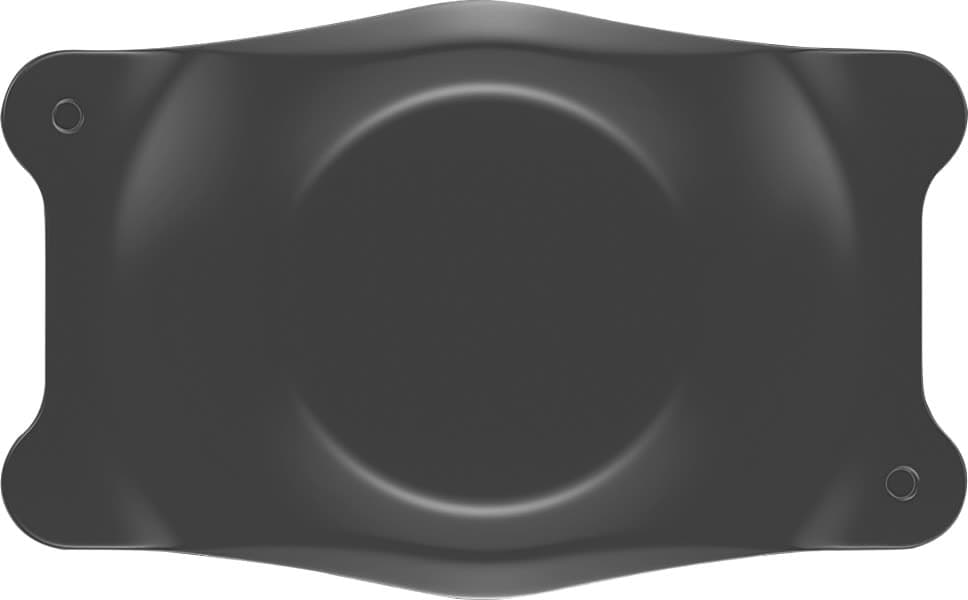
- IOL
- Lens choice
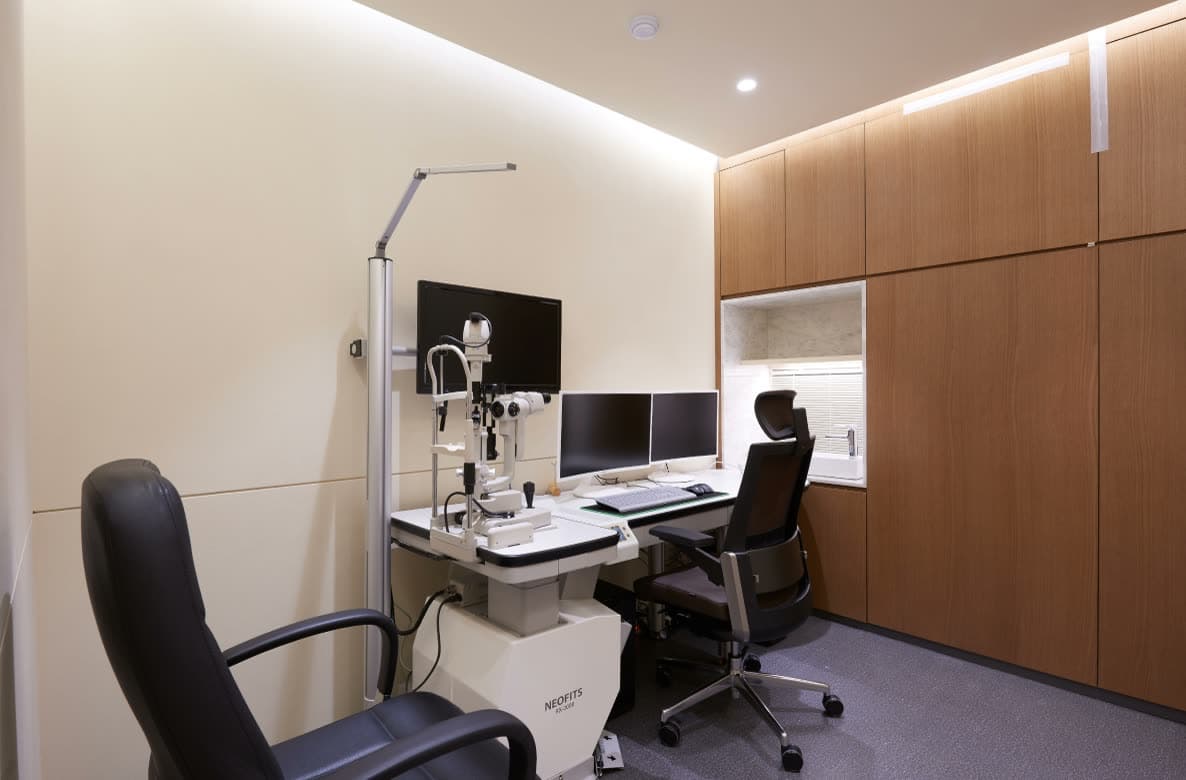
- Exam
- Eye assessment
- Plan
- Individual recovery
- Care
- Language support
Understanding your options
Eye measurements,
then a lens plan.
Your eye health and everyday vision needs guide treatment and lens selection.
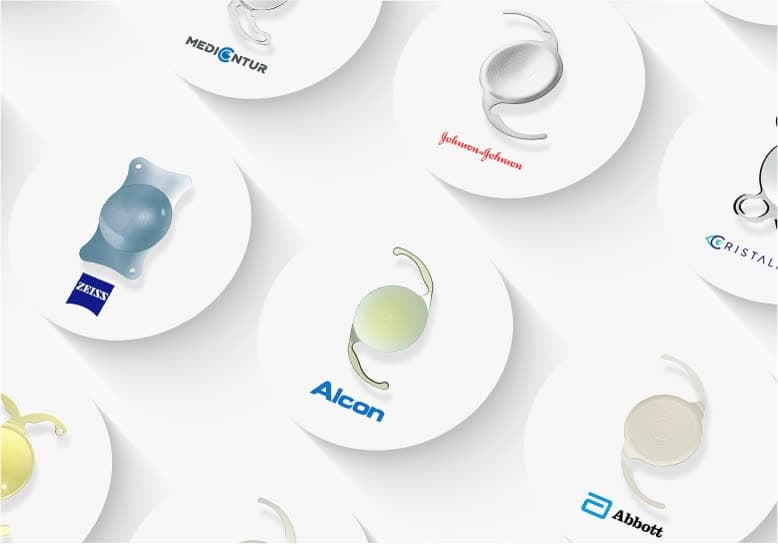
Lens options
Discuss multifocal, EDOF and other lens options, including their limitations and whether glasses may still be needed.
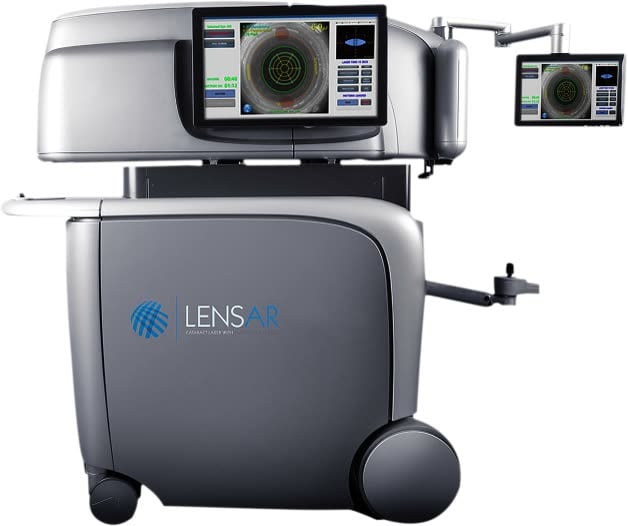
Cataract equipment
Cataract surgery removes a cloudy lens and places a new IOL. Learn about the equipment used for these steps.
Your vision needs
Discuss which symptoms come from cataract, presbyopia or astigmatism, and how treatment could help.
Individual recovery
Vision and daily activities recover at different rates. Follow-up checks guide advice about work, exercise and travel.
International coordination
Ask about available language support and confirm appointment arrangements before travelling.
Your care journey
Examination. Planning. Follow-up.
Arrange treatment and travel around your examination and required follow-up.
 01Initial enquiryAsk about your symptoms, the examination and information to bring. A remote enquiry cannot confirm surgical suitability.
 02Treatment discussionDiscuss possible lens options and an initial estimate. The final plan follows an in-person examination.
 03Plan your visitConfirm appointment times, accommodation and transport arrangements separately.
 04Examination and decisionMeasurements and the surgeon’s assessment determine whether surgery is appropriate and when it can be scheduled.
 05Follow-upFollow your medication and review schedule. Confirm travel readiness with your surgeon.
Discuss your lens options
Arrange an in-person examination in Seoul and ask about language support and your care schedule.
Cataract and presbyopia are different
A cataract is clouding of the eye’s natural lens. Presbyopia is the age-related difficulty focusing on near objects.
Read more
Cataract surgery replaces the cloudy lens with an artificial intraocular lens (IOL). The lens you choose affects your focus at different distances. You may still need glasses for some tasks.

When to discuss cataract surgery
Discuss surgery when cataract symptoms affect your daily life. An examination checks whether cataract is the cause and whether treatment is appropriate. Presbyopia alone does not mean that cataract surgery is needed; ask about the options and their trade-offs.
- People noticing blurred, faded, or yellowed vision from cataract.
- People with difficulty reading nearby objects who want their symptoms assessed and their options explained.
- Patients with both cataract and presbyopia who want to address them together.
- Those with astigmatism, which a toric premium IOL may also help correct.
Read more
Not everyone is suited to a multifocal lens. Conditions affecting the retina, optic nerve, or cornea can change which lens is appropriate. A surgeon confirms your eligibility and the right lens type at an in-person examination in Seoul.

How the procedure works, step by step
Cataract surgery is often performed as a day-case procedure. Your anaesthesia, operation and discharge arrangements depend on your assessment and the clinic’s instructions.
- In-person exam and lens planning. Detailed measurements of your eye guide the lens power and type.
- Anaesthesia. The clinical team explains how your eye will be numbed and what sensations you may notice.
- Removing the cloudy lens. Through a very small opening, the natural lens is gently broken up and removed.
- Placing the new IOL. The surgeon inserts and positions the lens chosen for your treatment plan.
- After the operation. The clinical team checks you and explains discharge, medication and follow-up arrangements.
Read more
If both eyes need treatment, discuss the sequence and required checks with your surgeon. Do not assume that both operations will fit a fixed travel schedule.
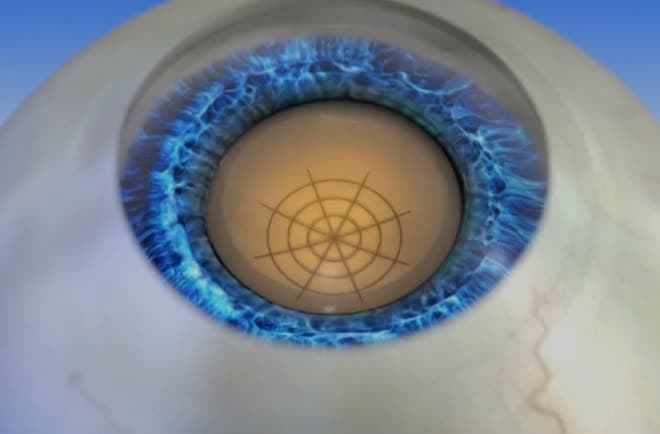
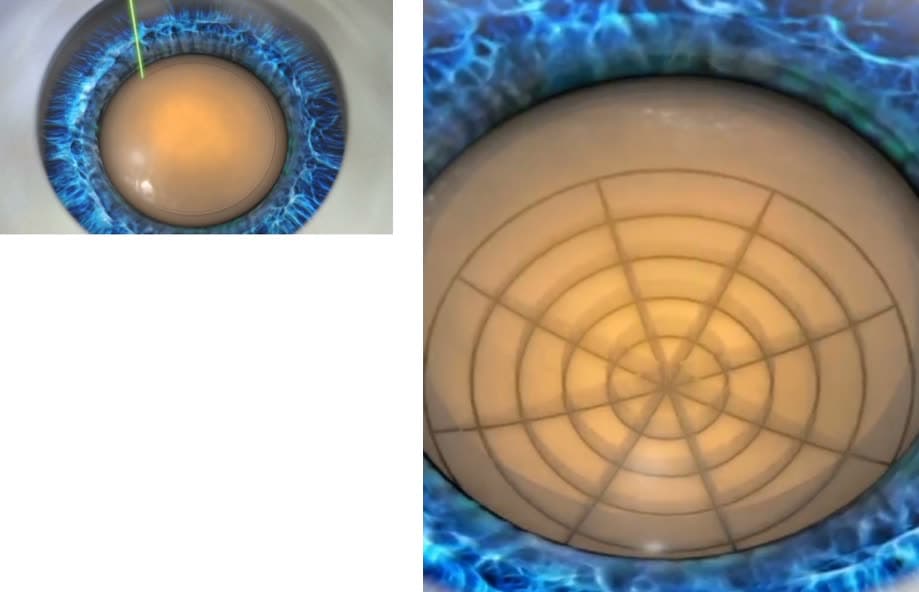
Measurements and cataract equipment
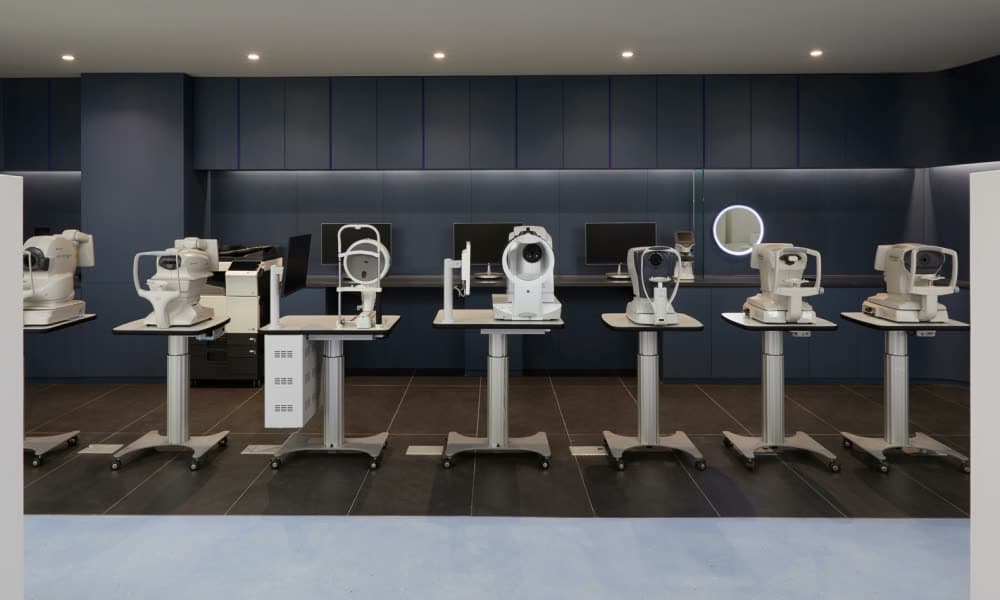
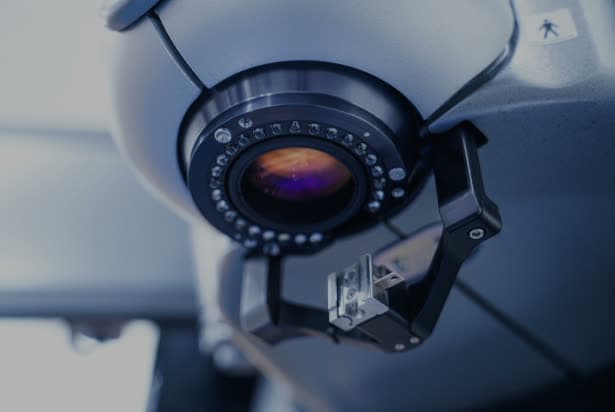
Eye measurements help the surgeon choose the IOL power and discuss lens options. The clinic introduces LENSAR and CENTURION for cataract care. Your surgeon will explain the equipment and method recommended after your examination.
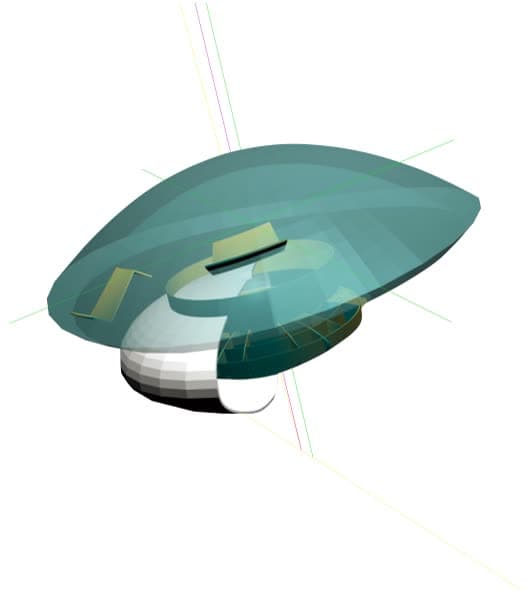
Recovery and follow-up
Healing and adaptation to a new lens vary. Early improvement does not mean that recovery is complete. Your review appointments guide advice about activities and any changes to care.
- Initial recovery: Vision may be blurred and the eye may feel uncomfortable. Follow your care instructions and attend the review scheduled for you.
- Daily activities: Use prescribed drops and avoid rubbing your eye. Ask when you may resume work, exercise and other activities.
- Adapting to the lens: Near, intermediate and distance vision may change as you recover. Glasses may still be needed.
- Ongoing review: The surgeon checks healing and discusses any concerns about your vision. Further appointments depend on your recovery.
Read more
Plan enough time for the examinations and treatment that are actually recommended. Confirm travel arrangements after discussing your recovery and follow-up needs.
Risks and considerations
Every surgical procedure carries some risk, and premium IOL surgery is no exception. It is important to understand the trade-offs before deciding.
- Halos, glare or other effects around lights can occur. Discuss how they could affect your activities, including night driving.
- The chosen lens may not provide the focus you need for every task. Glasses or further assessment may be needed.
- Infection, swelling and changes in eye pressure are among the possible complications. Ask about your risks and the follow-up plan.
- Clouding of the capsule behind the artificial lens can occur later. Further assessment and treatment may be needed.
Read more
Discuss each lens’s benefits and limitations with your surgeon, including how it may affect reading, screen work and night driving.
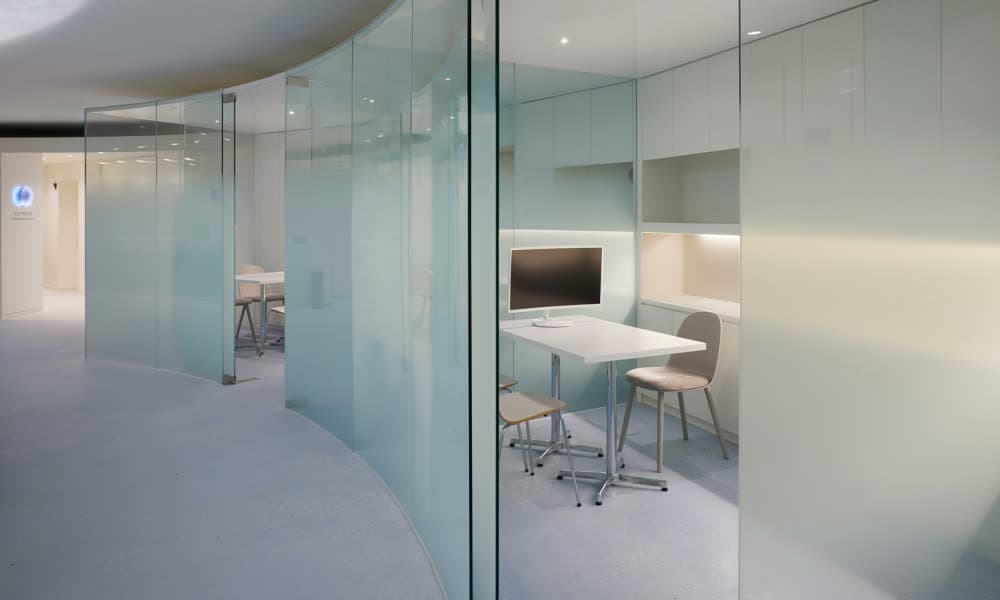
Planning cataract care in Seoul
If you are travelling to Seoul, ask the clinic about the examination, proposed lens options, language support and follow-up arrangements. Your eye health determines the treatment plan; a short visit should not be the reason to combine or rush procedures.
Understanding your lens-surgery estimate
Your estimate depends on the lens, the proposed procedure, examination findings and whether one or both eyes are treated. Ask for a written breakdown of included items and separate charges. Confirm the final plan and price after an in-person examination.
Frequently asked questions
Can cataract surgery also correct presbyopia?
Lens choice during cataract surgery may reduce the need for glasses for some tasks, including near work. The options depend on your eyes. Discuss the distances you need to see clearly and when glasses may still be useful.
What is the difference between a multifocal and an EDOF lens?
Multifocal lenses and extended-depth-of-focus (EDOF) lenses distribute focus differently. The useful distances and trade-offs depend on the specific lens and your eyes. Ask about reading, screen work, night-time visual effects and possible glasses use for the lens being proposed.
Will I still need glasses after premium IOL surgery?
You may still need glasses for some activities after surgery. The distance, task, lens type and your eye health all matter. Discuss realistic expectations for your chosen lens before deciding.
Is the surgery painful?
Anaesthesia helps manage pain during surgery. Sensations during the procedure and discomfort afterward vary. Tell the clinical team about pain and follow your aftercare instructions.
How long should I stay in Seoul as a foreign patient?
The length of your stay depends on whether one or both eyes are treated, the treatment sequence and follow-up needs. Confirm the schedule with the clinic and travel readiness with your surgeon rather than relying on a fixed number of days.
Continue Your Research
Related Procedures
Explore other treatments that may be relevant to your case.