
Procedure Comparison
NEW SMILE LASIK and SMILE PRO: what to compare
Compare the proposed treatment method, your eye examination and the recovery plan. NEW SMILE LASIK is the clinic’s name for SmartSight using SCHWIND ATOS. Ask which procedure and device are proposed when discussing a programme such as SMILE PRO.
- NEW SMILE LASIK: SmartSight
- Small-incision lenticule removal
- Suitability requires an examination
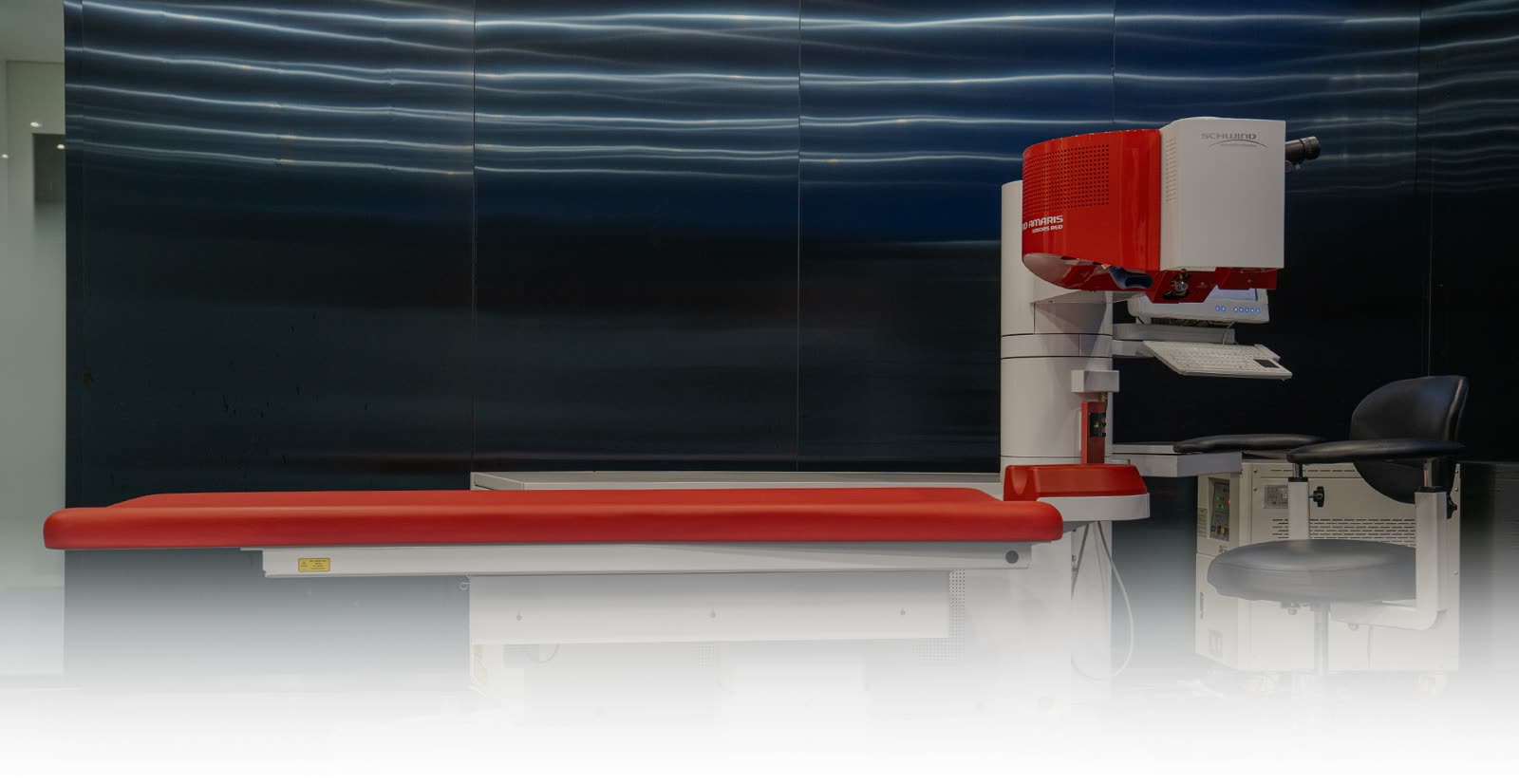
At a glance
What to compare at your consultation
The confirmed NEW SMILE LASIK method is outlined below. Use the questions alongside it to compare any other procedure proposed for your eyes.

Scroll sideways to compare.
| Topic | NEW SMILE LASIK (SmartSight) | What to ask |
|---|---|---|
| Treatment method | A lenticule is removed through a small incision | Which exact procedure is proposed, and why? |
| Corneal access | No LASIK flap is created | How will the surgeon access the corneal tissue? |
| Laser role | SCHWIND ATOS creates the lenticule and access incision | Which device and treatment method will be used? |
| Treatment time | Timing depends on the treatment plan | How long should I allow for the whole visit? |
| Prescription | Used for nearsightedness and astigmatism | Do my prescription and measurements fit this method? |
| Corneal assessment | Thickness and shape must be assessed | Does my cornea allow the proposed treatment? |
| Dry eyes | Dry-eye symptoms need assessment | How will my symptoms affect the plan and aftercare? |
| Vision recovery | Recovery differs between people | What changes should I expect, and when should I call? |
| Returning to work | The plan depends on healing and work demands | When can I resume my specific tasks? |
| Sport | Timing depends on the activity and recovery | When may I resume exercise or contact sport? |
This is a consultation guide, not a ranking or a promise of results. The surgeon confirms suitability and the recovery plan after examining your eyes.
The core difference
A programme name does not identify the procedure
The clinic’s NEW SMILE LASIK page describes SmartSight, not flap-based LASIK. When comparing it with a programme such as SMILE PRO, ask the surgeon to explain the exact method proposed for your eyes.
Confirm the device and the method together
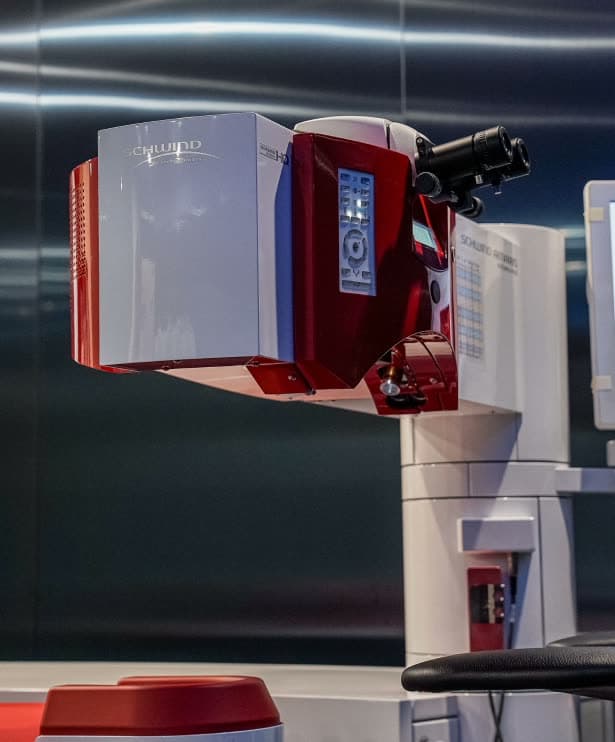
SCHWIND ATOS is a femtosecond laser platform. It creates a lenticule and small access incision for SmartSight, but it can also create a flap for FemtoLASIK. A device name alone does not tell you which procedure is planned.
SmartSight and FemtoLASIK: different methods
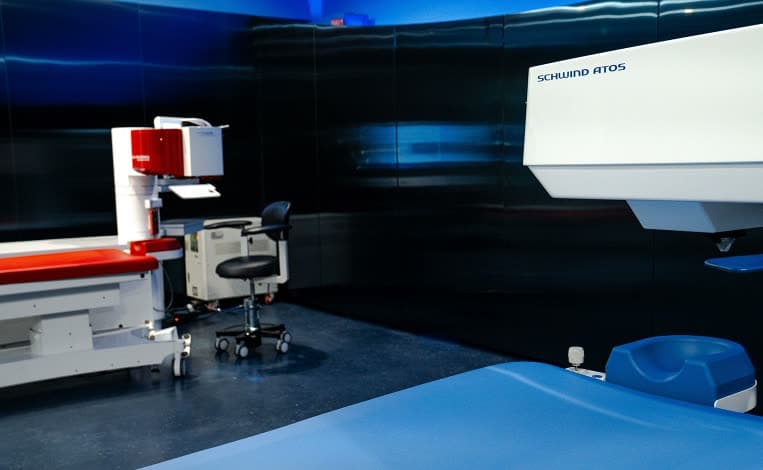
NEW SMILE LASIK (SmartSight)
The ATOS femtosecond laser creates a thin piece of corneal tissue called a lenticule and a small access incision. The surgeon removes the lenticule through that opening. SmartSight does not create a LASIK flap or use an excimer laser to remove tissue.
FemtoLASIK: a separate method
FemtoLASIK creates a hinged corneal flap with a femtosecond laser, reshapes the tissue beneath it with an excimer laser, and repositions the flap. This explains the method’s difference from SmartSight; it is not the technique described here as NEW SMILE LASIK.
Find your fit
Your eyes and daily life guide the choice
A programme name or a single measurement cannot decide suitability. Bring these points to your examination.
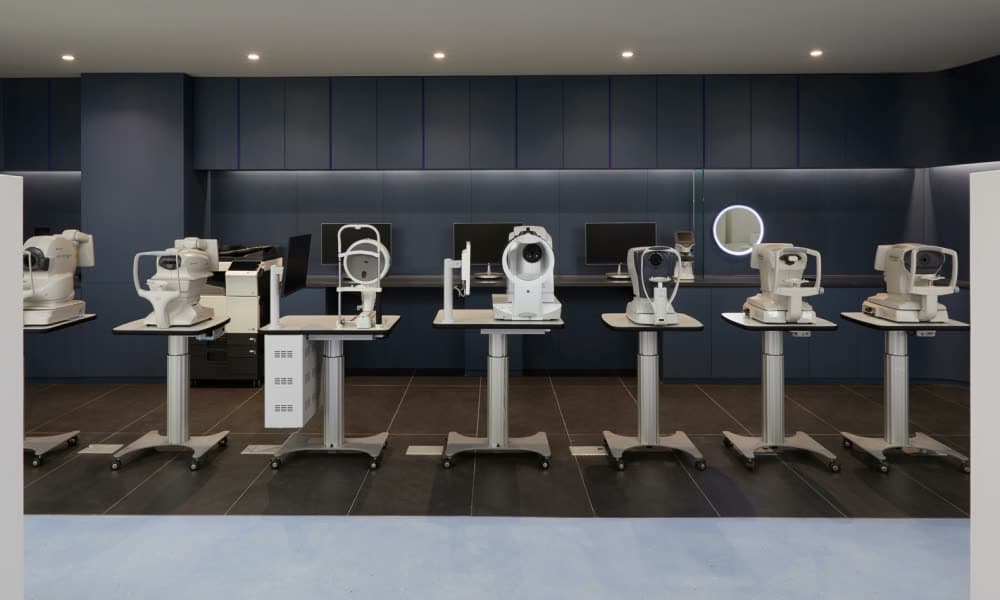
Scroll sideways to compare.
| Your circumstances | What is assessed | What to ask |
|---|---|---|
| Sport or a physical occupation | Activity, contact risk and recovery needs | When can I return to my activities? |
| Dry-eye symptoms | Symptoms and the eye surface | Do my symptoms need treatment before surgery? |
| Long hours on screens | Symptoms and work demands | How should I plan breaks and return to work? |
| A thin cornea | Corneal thickness, shape and the proposed plan | Am I suitable for any corneal laser procedure? |
| High nearsightedness | Prescription and eye measurements | Which options fit my examination results? |
| Astigmatism | Prescription and corneal shape | What correction is appropriate for my eyes? |
| Questions about evidence | The specific method being proposed | What benefits, limitations and risks apply to me? |
Decide with confidence
Five points to discuss before deciding
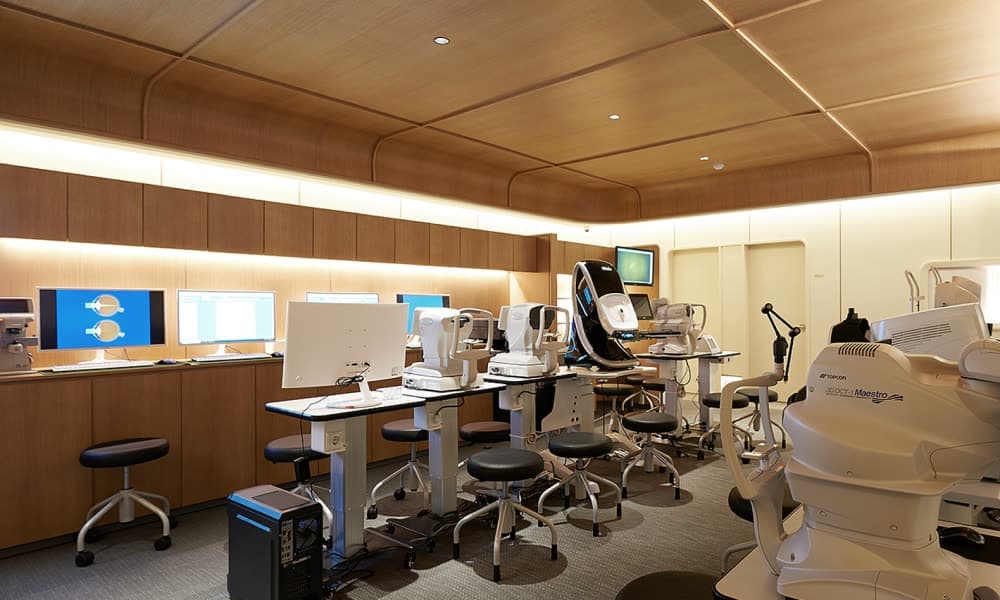 01Bring your current prescriptionIt helps prepare the discussion, but it cannot replace an eye examination or confirm surgical suitability.
- 02Review your corneal examinationAsk how thickness, shape and the eye surface affect the options. A thin cornea does not automatically make one programme suitable.
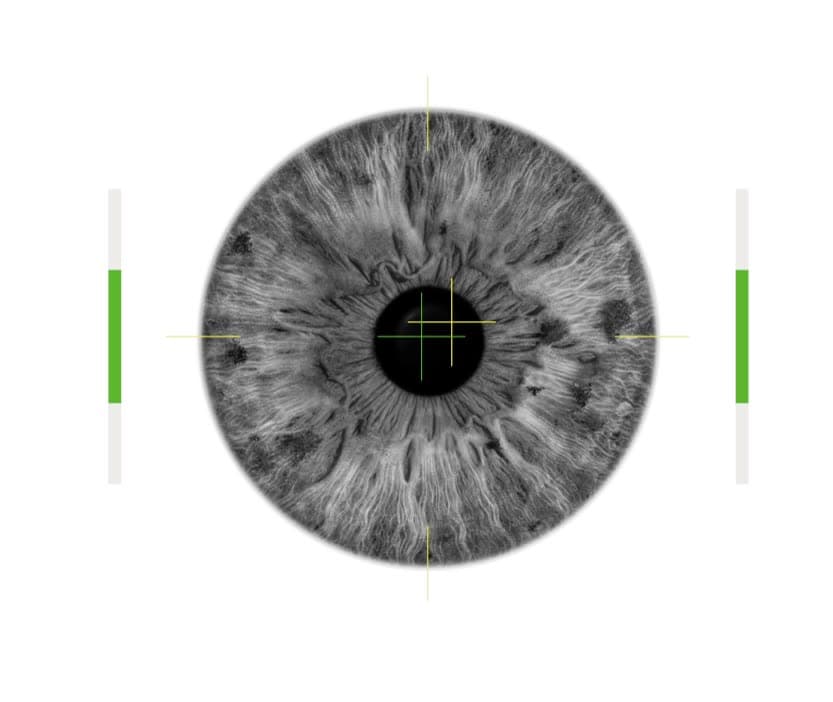 03Explain your daily activitiesTell the surgeon about dry-eye symptoms, screen work and sport so the plan can address your needs.
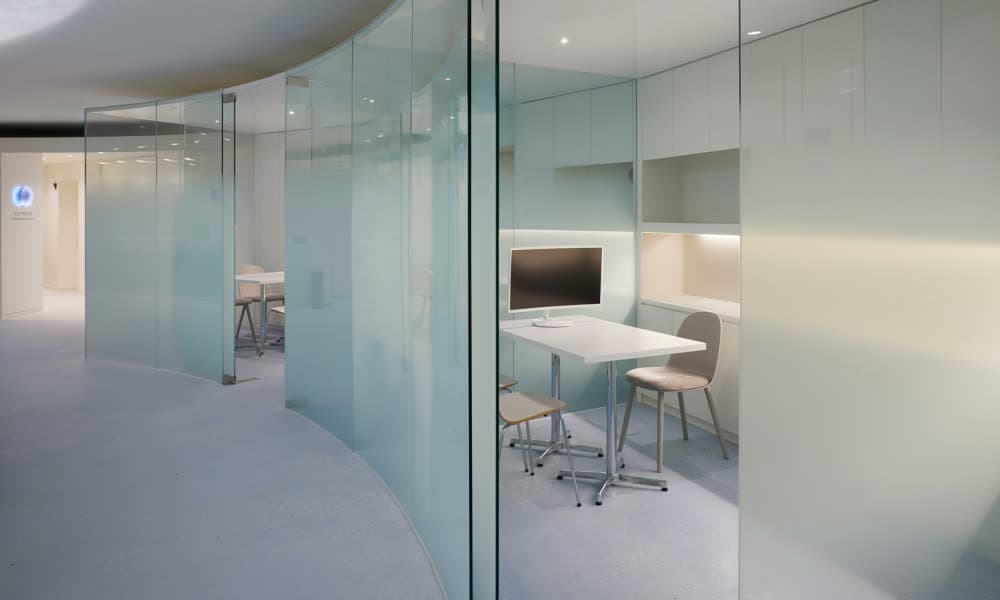 04Discuss recovery and limitationsAsk about expected symptoms, aftercare and return to your activities. Recovery timing and results vary.
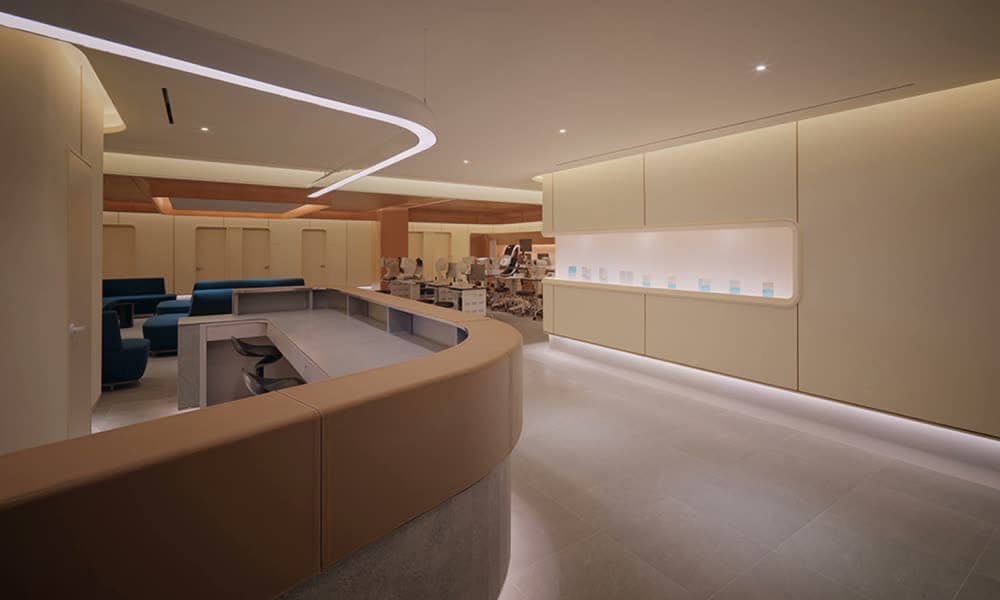 05Confirm the exact treatment planBefore deciding, confirm the procedure, device, benefits, risks and follow-up with the surgeon after your in-person examination.
FAQ
Common questions
Is one programme better for everyone?
No. Suitability depends on the proposed procedure, your examination and your needs. Ask why an option is recommended and what its limitations are; a programme name alone is not a reason to choose it.
Could I need further correction later?
Further correction may be considered in some cases, but it is not guaranteed to be possible or necessary. The surgeon assesses the original procedure, the remaining corneal tissue and the current examination.
Will the procedure or recovery hurt?
Numbing drops are used, but this does not guarantee a pain-free experience. Pressure, irritation or discomfort can occur. Ask about expected symptoms and how to contact the clinic if symptoms concern you.
Will my vision stay the same for life?
Corneal laser surgery changes the cornea’s shape, but it does not prevent future changes in vision or age-related difficulty seeing near objects. Results and any later treatment needs vary.
Can I have another procedure after previous LASIK?
Previous LASIK and its corneal flap can affect later options. Bring your treatment records for an examination. The surgeon must assess whether any further procedure is appropriate; it is not an automatic next step.
Start with an eye examination
Contact the clinic to discuss your questions and arrange an examination. Treatment recommendations are confirmed after the surgeon examines your eyes.
Smile Eye Clinic Korea · International Patient Division · Gangnam, Seoul. All surgical decisions are made after an in-person examination. Individual results and suitability vary.