
Surface vision correction
2DAY LASEK
Surface laser vision correction with follow-up care. Recovery and return to daily activities depend on your examination and healing.
- Varies
- Recovery time
- 10 min
- Procedure
- 0
- Corneal Flaps
- Eye exam
- Suitability
Why Choose 2DAY LASEK
Built for precision,
designed for confidence.
Every detail engineered to deliver precise, efficient, and modern vision correction.
No corneal flap
Surface treatment without creating a corneal flap. An eye examination determines suitability.
Individual recovery
Early discomfort and recovery differ between people. Follow-up checks guide the return to daily activities.
Corneal assessment
Corneal thickness and shape are assessed before deciding whether LASEK is suitable.
Activity planning
Discuss sport and work demands with your surgeon. Return to these activities depends on healing.
Follow-up care
Vision can take time to settle. Keep the follow-up appointments recommended for your recovery.
Your Journey
From examination to follow-up.
Your examination and healing guide the treatment and follow-up schedule.
 01Online ConsultationSend prescription via WhatsApp. Free response in 24h.
 02Surgery PlanPersonalized plan with cost and itinerary.
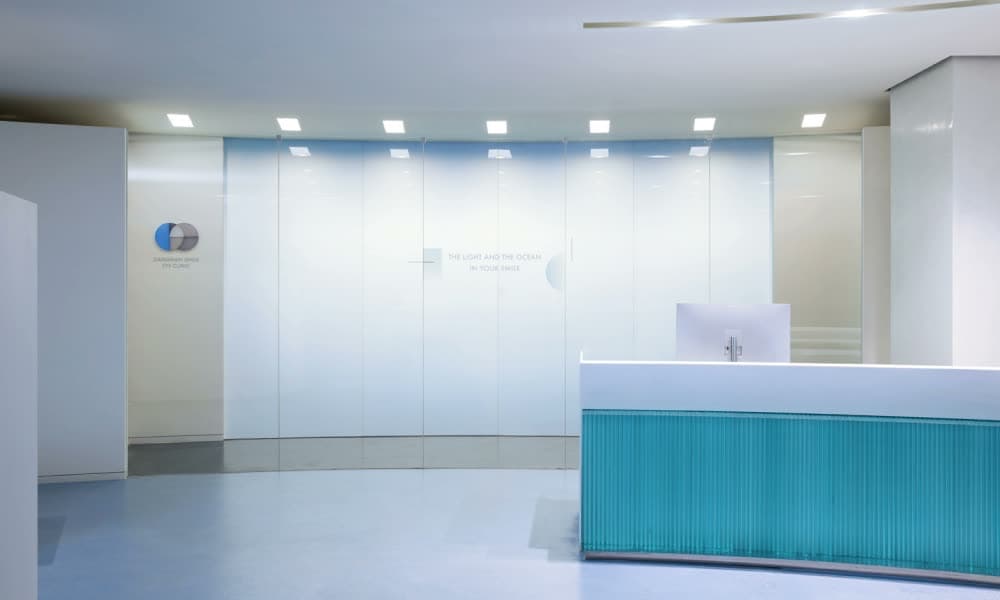
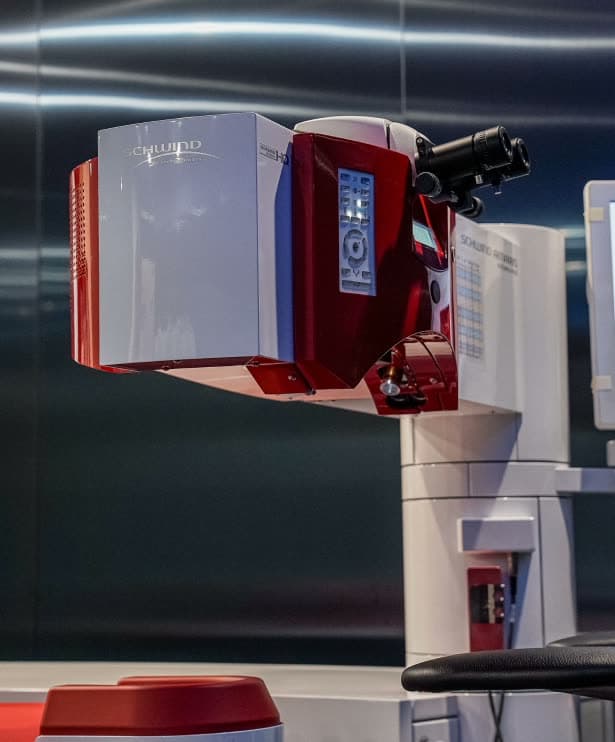 03Arrive in KoreaAirport pickup, partner hotel check-in.
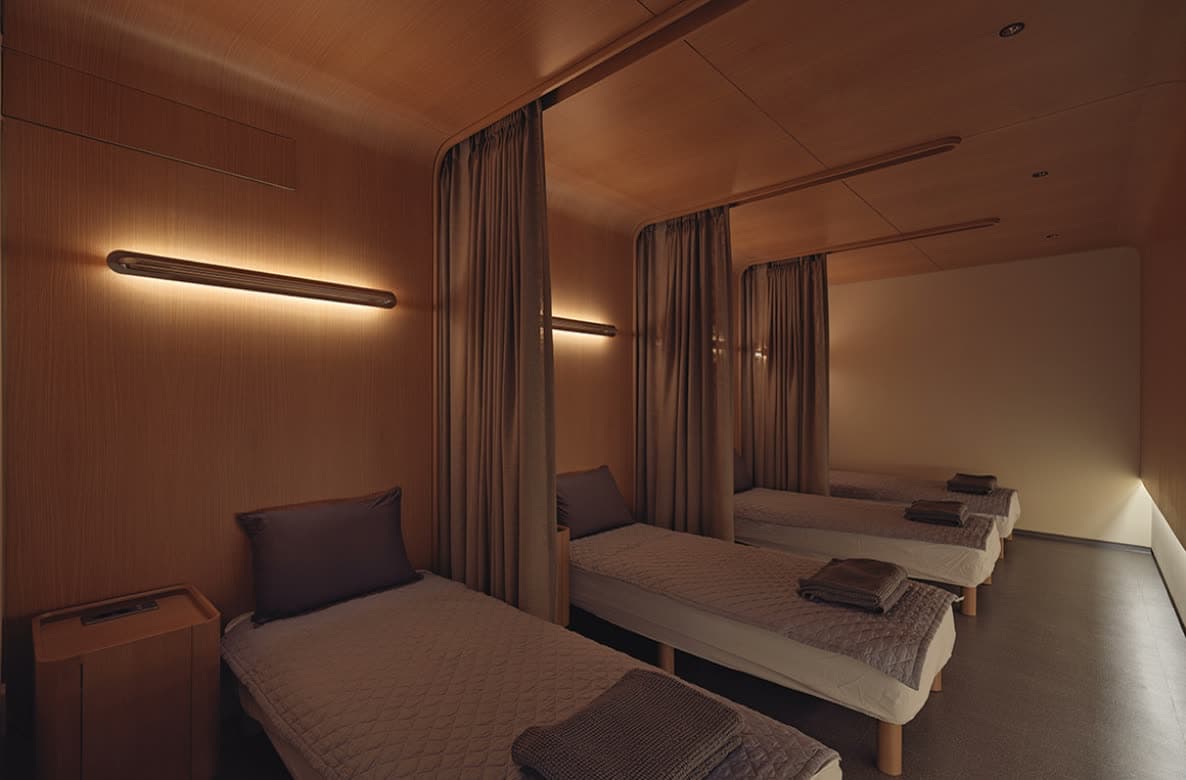 04Exam & SurgerySame-day exam and surgery possible.
 05RecoveryPost-op care and in-person follow-ups.
Ready for clear vision?
In-person consultation in Seoul. Multilingual coordinators respond within 24 hours.
What is 2DAY LASEK Speed Up?
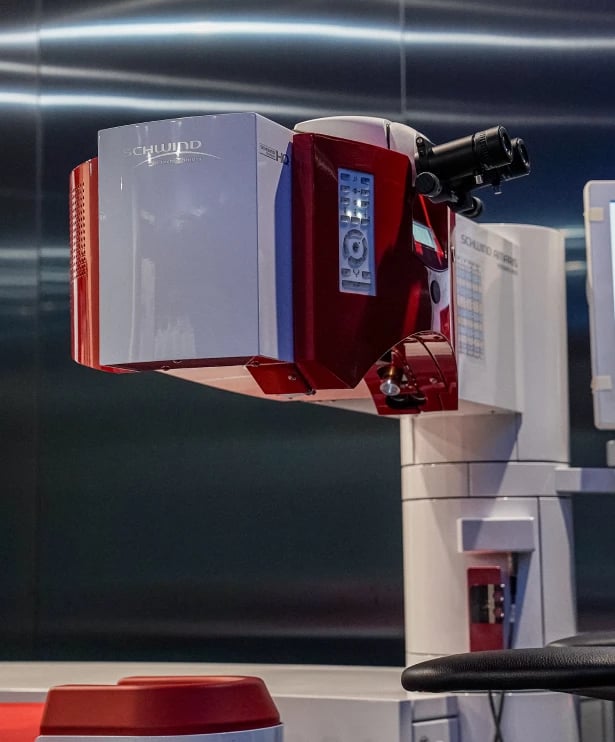
2DAY LASEK Speed Up is a modern surface-ablation vision correction procedure offered at Smile Eye Clinic Korea in Gangnam, Seoul.
Read more
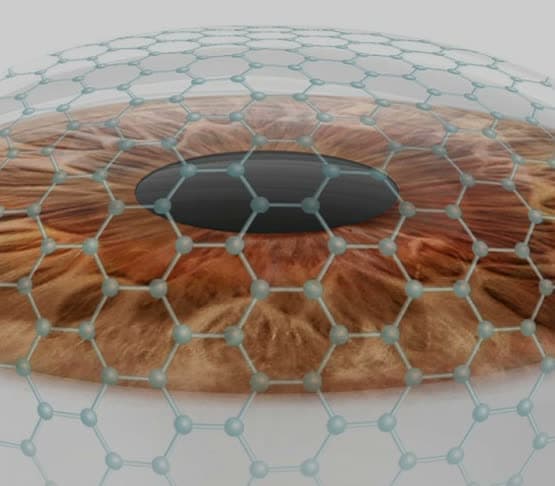
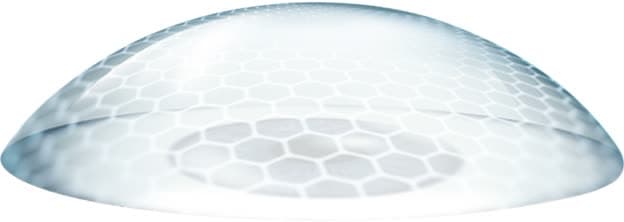
Instead of cutting a corneal flap, the surgeon gently lifts the thin outer layer of the cornea (the epithelium), reshapes the underlying tissue with a laser, and lets the surface heal naturally. The “2DAY” name refers to a structured rapid-recovery protocol designed to help many patients return to light daily activities within a couple of days, though full visual stabilization takes longer than flap-based methods. Because no flap is created, LASEK preserves more of the cornea’s structural surface, which is why it is often considered for thin or irregular corneas and for active lifestyles. Every candidacy decision is made by an ophthalmic surgeon after an in-person examination in Seoul.
Who is 2DAY LASEK for?
LASEK surgery in Korea is frequently considered when LASIK may not be the most suitable option. You may be a candidate if you have a thin cornea, a flatter or more irregular corneal shape, or a lifestyle that involves contact sports, martial arts, or physically demanding work where a flap could be a concern.
- Adults with stable vision, typically with a prescription that has not changed significantly for at least a year.
- People with thin or irregular corneas for whom flap-based correction is less appropriate.
- Athletes, military applicants, and those in active or high-impact roles.
- Some patients seeking a second correction (re-treatment) after previous surgery.
Read more
Pregnancy, certain eye-surface or autoimmune conditions, and unstable prescriptions may make any laser correction unsuitable. A surgeon confirms your eligibility only after a full in-person exam, including corneal topography and corneal thickness measurement.
How 2DAY LASEK works, step by step
The procedure itself is short, usually around 10 minutes for both eyes, with most of your clinic time spent on preparation and post-operative checks.
- Step 1 — In-person exam: Numbing eye drops are applied; no needles or injections are used for the surgery.
- Step 2 — Epithelium softening: The thin outer epithelial layer is loosened and gently moved aside, rather than cut as a flap.
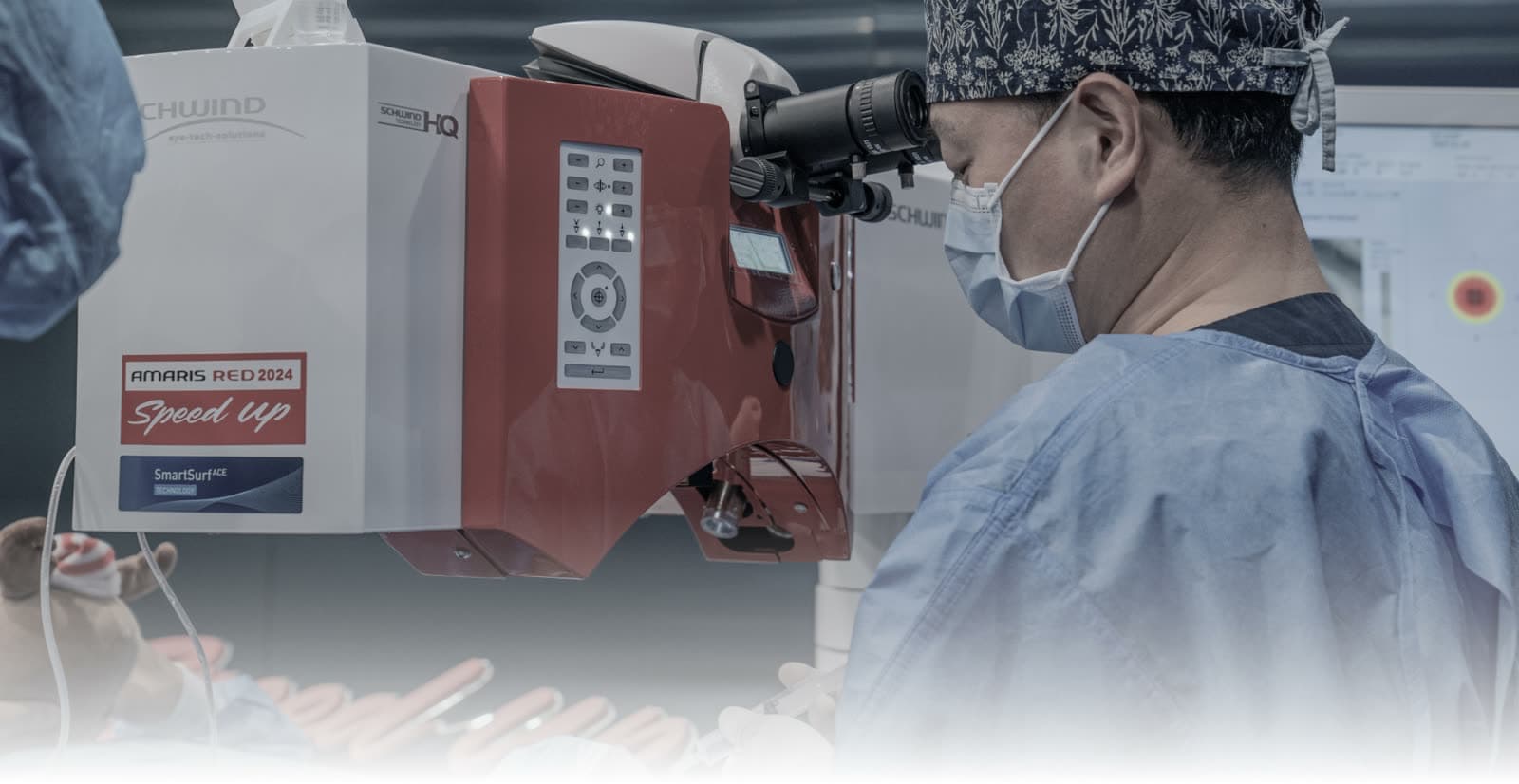
- Step 3 — Laser reshaping: An excimer laser reshapes the corneal surface to correct nearsightedness and astigmatism.
- Step 4 — Surface protection: A soft bandage contact lens is placed to protect the surface while the epithelium regrows.
- Step 5 — Recovery support: You receive eye drops, written aftercare instructions, and follow-up scheduling before you leave.
The technology behind it
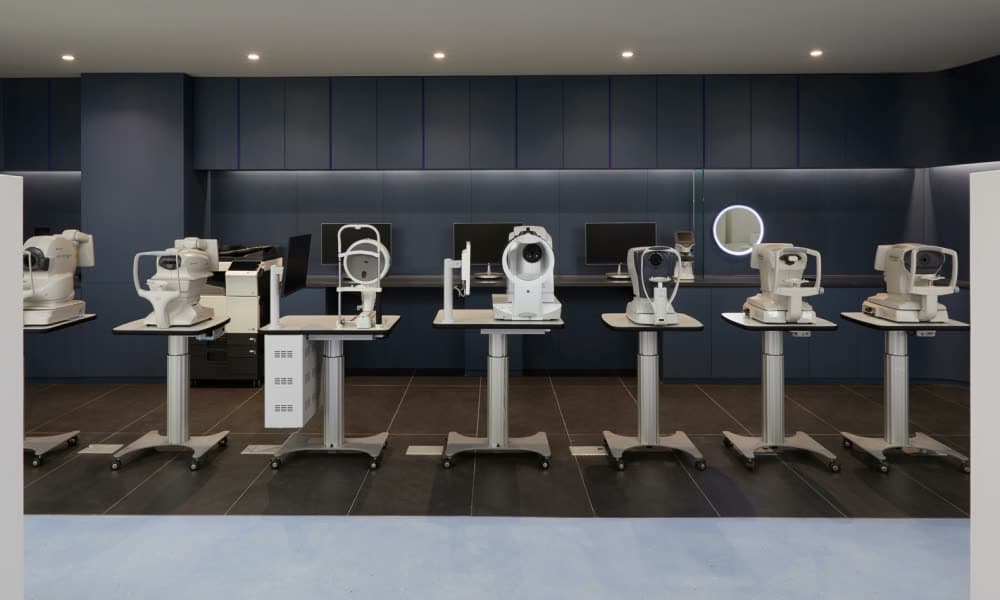
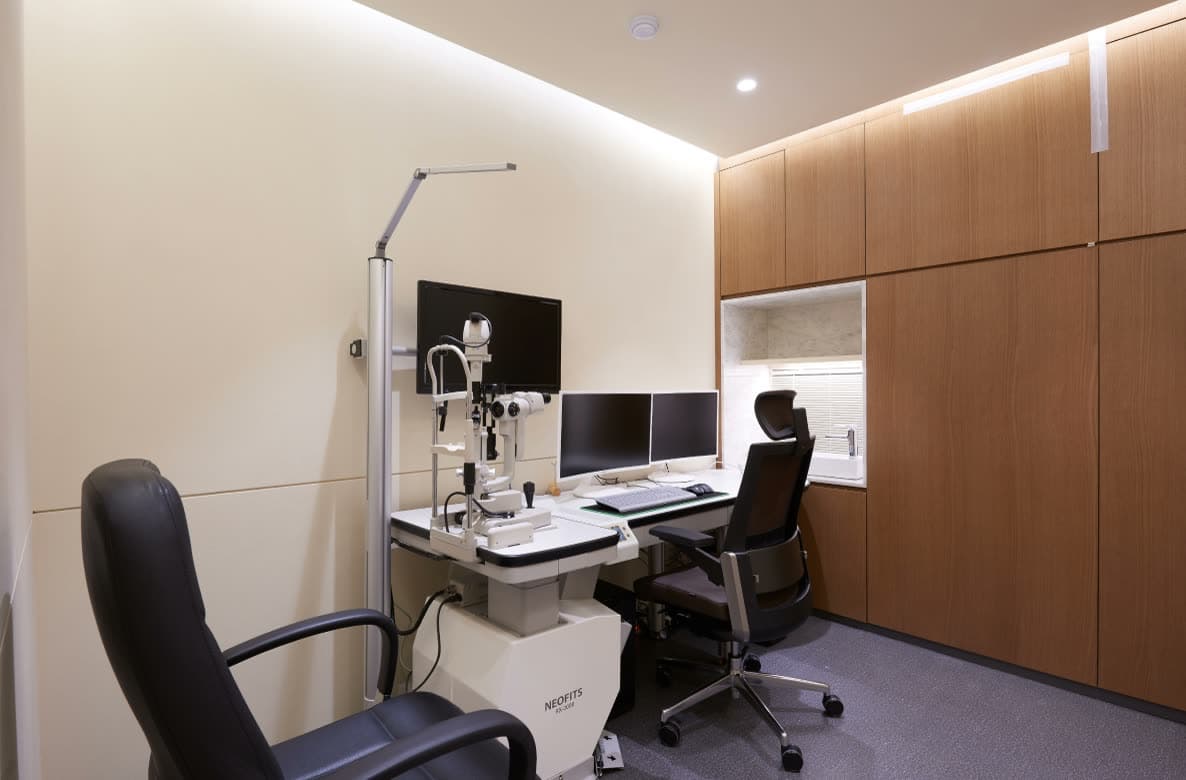
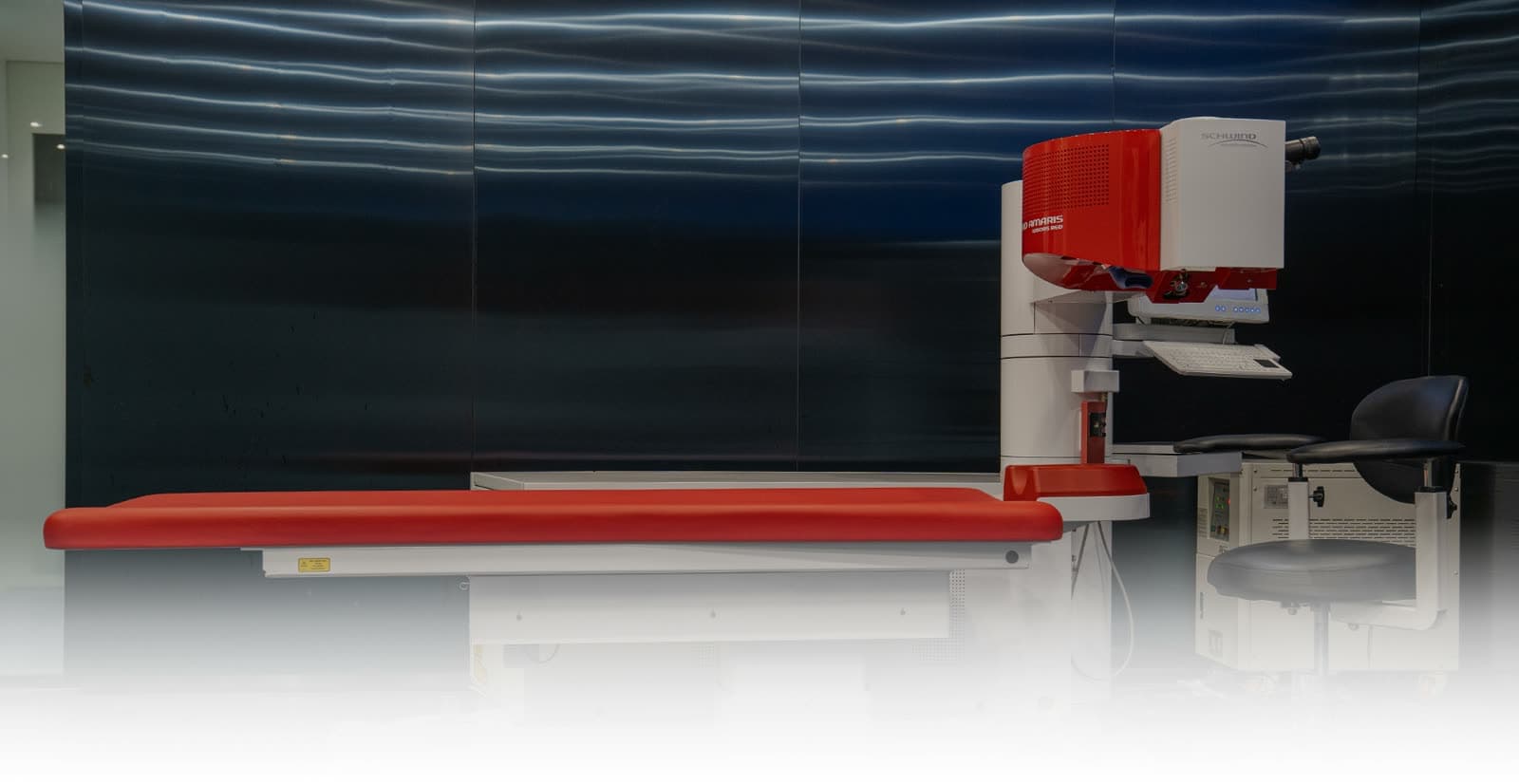
Smile Eye Clinic Korea uses ZEISS diagnostic systems for detailed corneal mapping and measurement during your examination, which helps the surgeon understand your corneal shape and thickness before recommending any procedure.
Read more
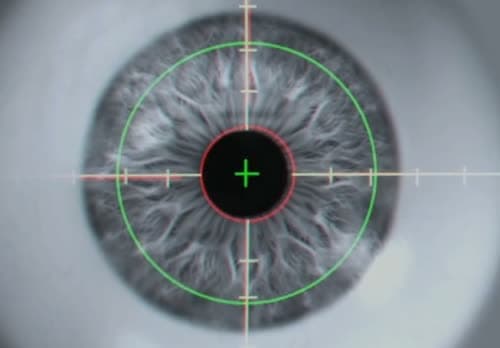
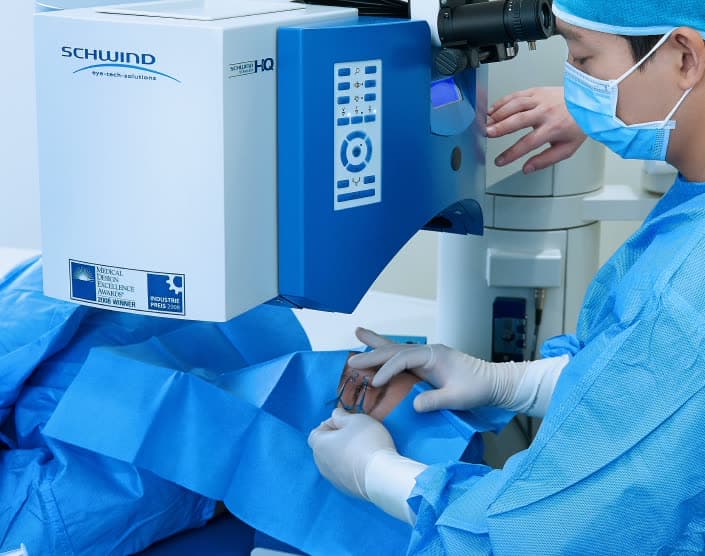
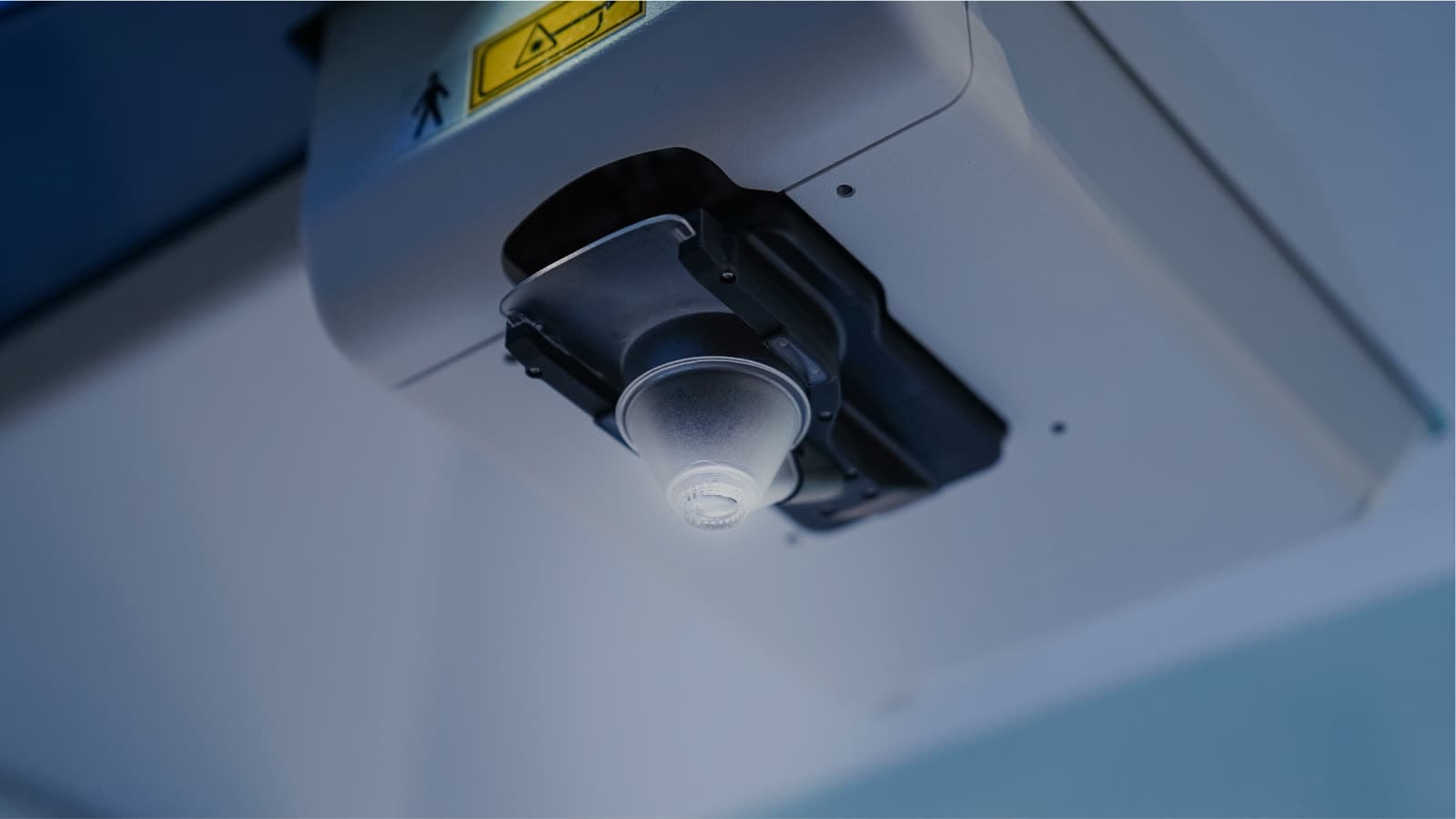
The clinic’s surgical platform also includes the ATOS femtosecond laser with the CenTrax predictive centration system, which supports precise treatment planning across its vision-correction services. For LASEK specifically, the value of advanced diagnostics is in confirming whether surface ablation suits your eyes and in planning the laser treatment accurately. Four specialist ophthalmic surgeons perform the clinic’s procedures, and the recommended method is always matched to your individual measurements rather than a one-size-fits-all approach.
Recovery timeline: LASEK vs LASIK
Here is the honest answer many people search for. Surface-ablation recovery with LASEK is slower than LASIK or SMILE, because the outer corneal layer needs several days to regrow. With LASIK, many people see functional vision within a day or two; with LASEK, the first few days involve more discomfort and blur, and vision sharpens more gradually.
- Days 1–3: Light sensitivity, watering, a gritty feeling, and blurry vision are common while the surface heals. Rest is important.
- Days 3–5: The bandage contact lens is usually removed once the epithelium has regrown, and comfort improves noticeably.
- Weeks 2–4: Vision continues to clear and stabilize; screen time and most routine activities gradually resume.
- Months 1–3: Vision typically settles further, with final stabilization taking longer than flap-based surgery.
Read more
So the trade-off is clear: LASIK offers faster recovery, while LASEK trades a longer early recovery for a flapless approach that preserves the corneal surface. Your surgeon will explain which balance fits your eyes.
Risks and considerations
All surgery carries risks, and outcomes vary by individual.
Read more
With LASEK, the most common considerations are temporary discomfort in the first days, light sensitivity, and slower visual recovery than LASIK. Some people experience temporary haze or dryness during healing, and a small number may need an enhancement later. Carefully following your eye-drop schedule and follow-up visits reduces these risks. These points are general; your personal risk profile is discussed at your in-person consultation.
Why have LASEK in Seoul
Korea has developed deep experience in laser vision correction, and Smile Eye Clinic Korea focuses on caring for international patients in English. Choosing thin cornea vision correction in Korea means access to detailed diagnostics, specialist surgeons, and structured aftercare in one location in Gangnam. Because LASEK recovery is gradual, planning a stay that covers the early healing days lets the team monitor your progress and remove the bandage lens at the right time before you travel home.
Cost of 2DAY LASEK
LASEK is generally one of the more accessible vision-correction options. Pricing depends on your prescription, corneal measurements, and the treatment plan confirmed at your in-person exam. A package typically includes the pre-operative examination, the procedure, post-operative medication, and follow-up checks. Because the right procedure and final price can only be set after the surgeon reviews your eyes, exact figures are confirmed after your in-person exam in Seoul. Ask the team for a current range when you arrange your consultation.
Frequently asked questions
What is the recovery time for LASEK vs LASIK?
LASIK usually offers functional vision within a day or two, while LASEK takes longer. With LASEK, the first three to five days involve blur and discomfort while the corneal surface regrows, and vision continues to sharpen over the following weeks, with final stabilization taking a few months.
Is LASEK better for thin corneas?
Because LASEK does not create a corneal flap, it is often considered for thin or irregular corneas where flap-based surgery may be less appropriate. Whether it suits your eyes depends on your measurements, which a surgeon confirms at an in-person exam in Seoul.
Does the 2DAY LASEK protocol really mean two-day recovery?
The protocol is designed to support a quicker return to light daily activities, and many people feel more comfortable within a couple of days. However, sharp, fully stabilized vision develops gradually over weeks to a few months, so two days refers to early comfort, not complete healing.
Is LASEK painful?
Numbing drops are used so the procedure itself is generally well tolerated. The first few days afterward can feel gritty or sensitive while the surface heals. Prescribed eye drops and a protective bandage contact lens help manage this; report any severe or worsening discomfort to the clinic.
Can I have an exam before I arrive in Korea?
No. Remote or online diagnosis is not permitted in Korea, so all examination and candidacy decisions are made in person at the Seoul clinic. You can share general information in advance, but a surgeon confirms your eligibility and treatment plan only after an in-person exam.
Continue Your Research
Related Procedures
Explore other treatments that may be relevant to your case.
NEW SMILE LASIK (SmartSight)
SmartSight changes the corneal shape by removing a lenticule through a small incision.
Learn more →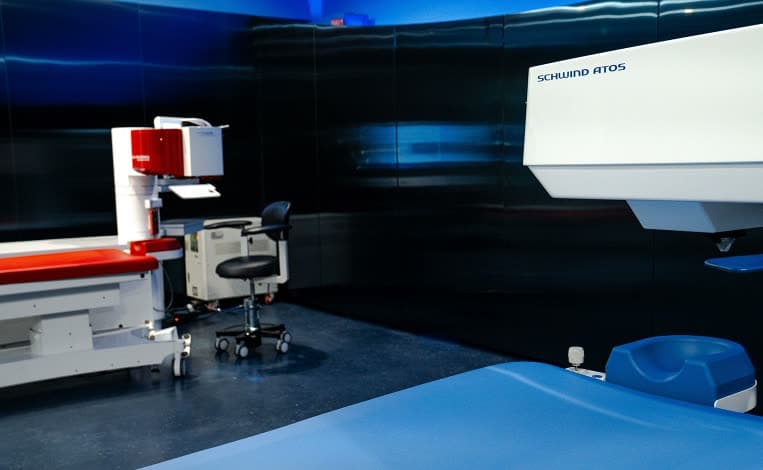
SMILE PRO Surgery
Minimally invasive vision correction with the next-gen ATOS femtosecond laser.
Learn more →Meet Our Expert Surgeons
4 specialist ophthalmic surgeons.
Learn more →