Implantable lens options
EVO ICL & ECHO lenses
Implantable lenses may be an option when laser correction is unsuitable. EVO ICL and ECHO are different products; an eye examination guides lens selection.
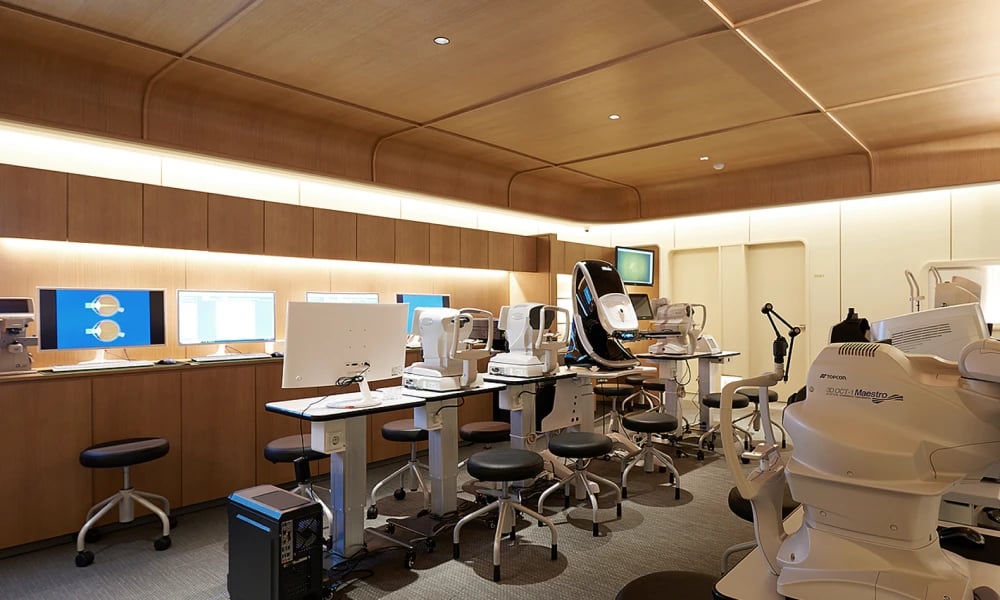
- Exam
- Suitability first
- Lens
- Product selection
- Plan
- Individual care
- Care
- Follow-up checks

EVO ICL
EVO ICL lens. Source: Gangnam Smile Eye Clinic.
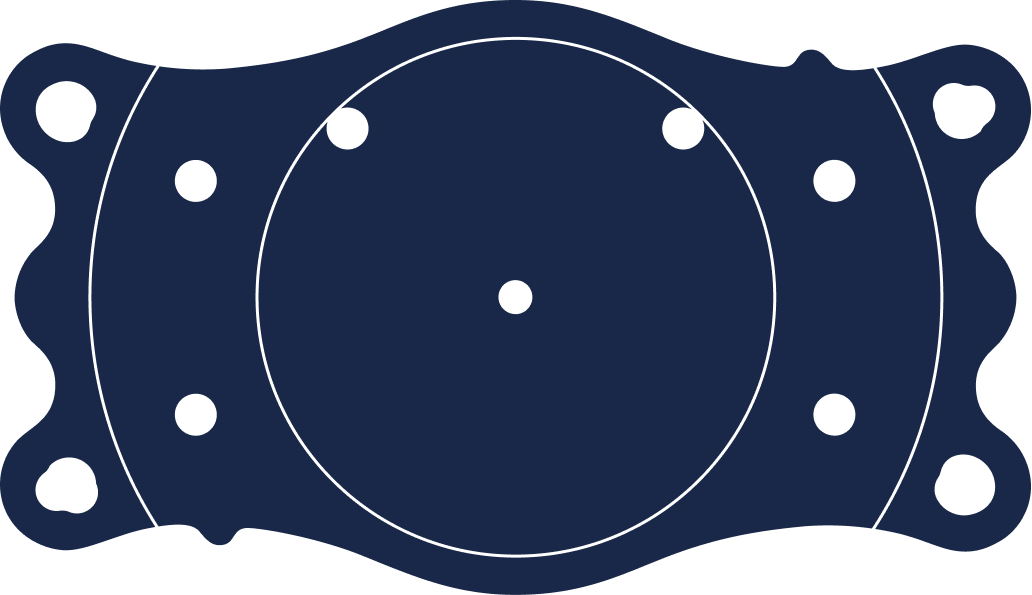
ECHO
ECHO lens. Source: Gangnam Smile Eye Clinic.
Product illustrations: EVO ICL and ECHO.
Understanding lens options
Different products,
individual decisions.
Understand how lens implantation differs from laser correction, and what your eye examination needs to establish.

Removal or exchange
A surgeon can assess whether removal or exchange is appropriate if your needs change. Either option involves another operation.
Lens implantation
A lens is inserted through a small incision. Corneal tissue is not removed to reshape its focusing surface, but this is still eye surgery.
Suitability checks
High myopia or a thin cornea alone does not establish suitability. Eye measurements and the selected lens matter.
EVO and ECHO
EVO ICL uses Collamer material. ECHO is a separate polymer lens with a different design. Your surgeon explains the proposed lens.
Ongoing follow-up
Discuss the checks needed after surgery, including eye pressure and lens position. Your care plan depends on your eyes.
Your Journey
Assessment, planning and follow-up.
Plan your visit around the examination, lens arrangements and post-operative checks. Timing is individual.
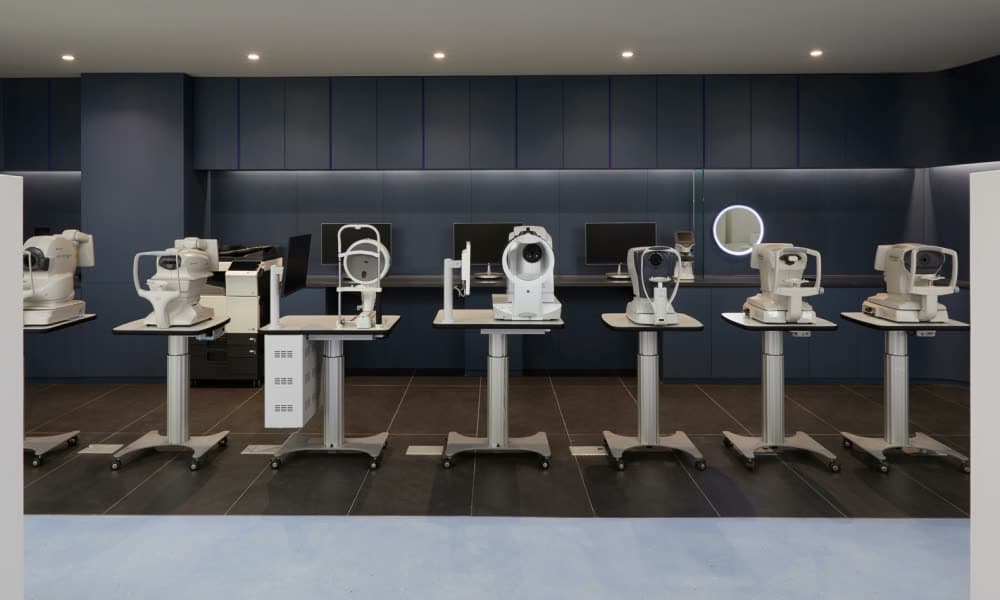 01Ask before travelAsk about the examination and information to prepare. Messages cannot confirm lens suitability.
 02Discuss the planConfirm the proposed lens, itemized estimate and necessary checks after your examination.
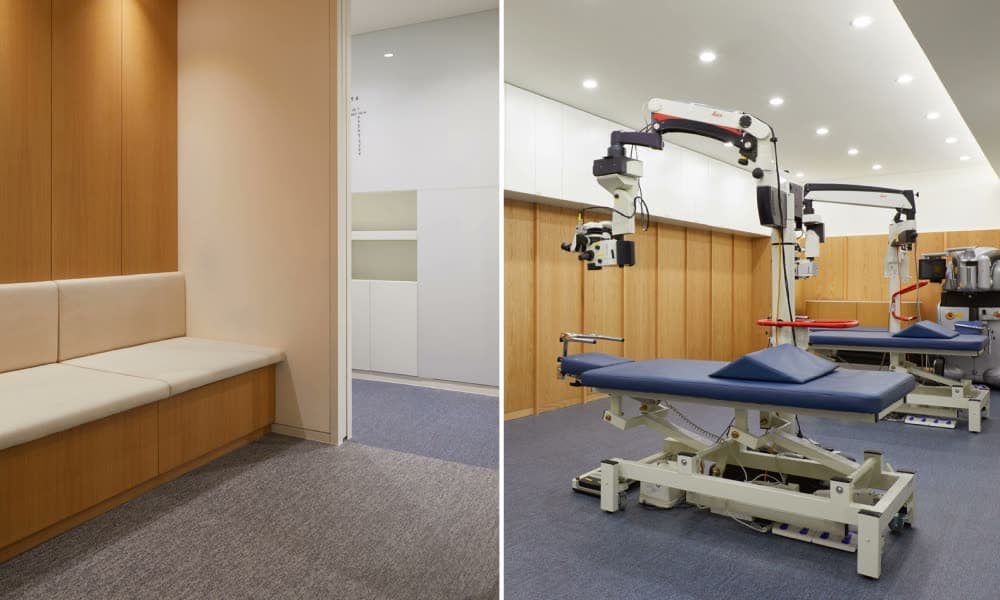 03Arrange your visitConfirm appointment dates and any travel support before booking.
 04Examination and surgerySurgery is scheduled only if suitable, taking lens availability and your examination into account.
 05Recovery and reviewFollow your prescribed care and attend the required checks before planning onward travel.
Discuss your lens options
Ask about an in-person examination in Seoul and language support. The examination guides treatment and lens selection.
What are EVO ICL and ECHO lenses?
Lens implantation places an additional lens inside the eye while leaving the natural lens in place. Cataract surgery instead replaces the natural lens.
Read more
EVO ICL is a STAAR Collamer lens placed behind the iris and in front of the natural lens. ECHO is a separate polymer lens with a different design. An in-person examination helps your surgeon choose a suitable option.

Who is ICL for? (candidacy)
Lens implantation may be considered when corneal laser correction is unsuitable. High myopia, corneal thickness and symptoms such as dry eyes are parts of the assessment, not proof that ICL is suitable or that it will treat dry eye.
- Adults with a stable prescription, assessed against the proposed lens criteria
- People whose corneal measurements limit laser options
- People with high myopia who need assessment of alternative options
- People willing to discuss the risks and ongoing checks of lens surgery
Read more
Suitability also depends on the internal space of your eye and the health of the cornea’s inner cell layer. These factors can only be measured directly, so candidacy is always confirmed after an in-person exam, not online or before arrival.
What prescription is too high for LASIK?
Suitability for laser correction depends on prescription, corneal measurements and eye health. Lens implantation has its own anatomical requirements. Being unsuitable for LASIK does not automatically make you suitable for an implanted lens.

How ICL works, step by step
The process is methodical and centered on careful measurement. Here is what to expect:
- In-person examination: measure the eye and assess suitability before selecting a lens.
- Lens selection and ordering: confirm the product, size, power and availability; preparation time varies.
- The procedure: the surgeon inserts the lens through a small incision and positions it as planned. The timing depends on your procedure.
- Follow-up: attend checks of lens position, eye pressure and healing as instructed.
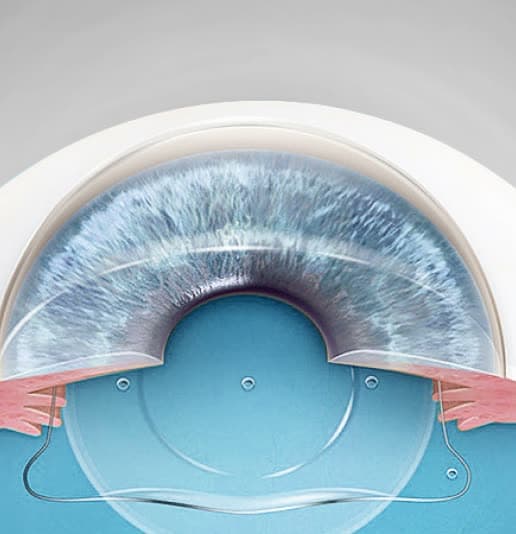
Product information
EVO ICL is made from Collamer and has a central opening. ECHO uses a different polymer lens design with central and peripheral openings.
Read more
Eye measurements help determine the proposed lens size and power. Your surgeon explains the lens choice, and the clinic confirms availability when planning your procedure.
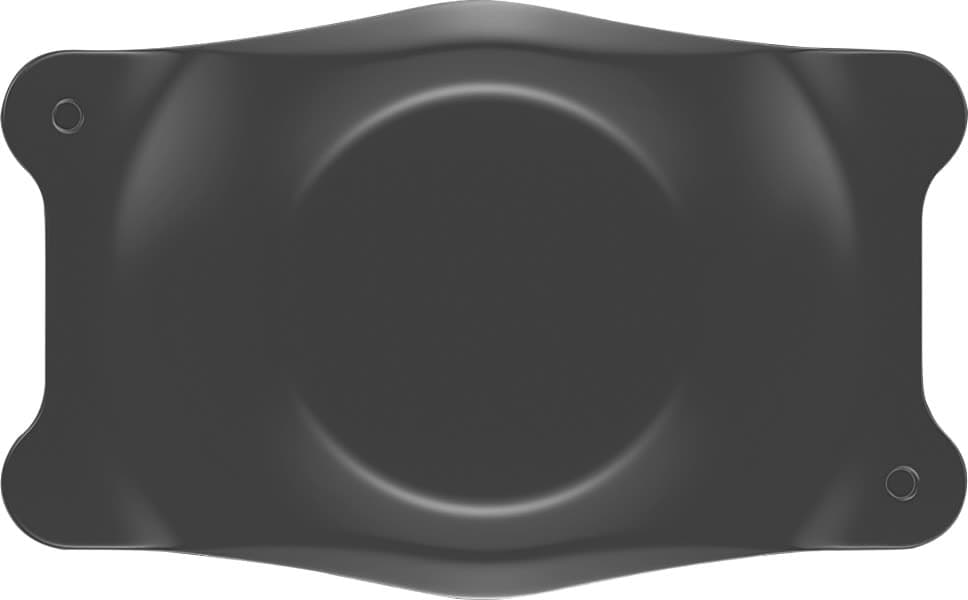
Recovery timeline
Vision and comfort change as the eye heals. Light sensitivity, watering or discomfort may occur early on. Prescribed care and follow-up checks guide your recovery.
- Initial care: rest and use prescribed medication and protection as directed.
- Scheduled checks: attend the reviews arranged for your eye and follow the care instructions.
- Returning to activities: confirm work, exercise, driving and travel individually with your surgeon.
Read more
After checking your eye, your surgeon advises when you can return to work, exercise, driving and travel. The plan can change as your eye heals.

Risks and considerations
Lens implantation has risks, including glare or halos, changes in eye pressure, and possible repositioning, removal or exchange of the lens.
Read more
Pre-operative measurements and follow-up are important, but do not remove all risks. Discuss the proposed lens and your individual risks with the surgeon, including long-term checks of eye pressure and the cornea’s inner cell layer.

Can the lens be removed or exchanged?
A surgeon may remove or exchange an implanted lens when clinically appropriate. That involves another operation with its own risks. Lens removal does not guarantee that the eye or vision returns to its pre-operative state.

ICL vs LASIK for high myopia
LASIK reshapes the cornea, while lens implantation adds a lens inside the eye. High myopia or thin corneas may prompt discussion of lens implantation, but neither procedure is suitable for everyone.
Read more
Prescription, corneal measurements, internal eye anatomy and eye health guide the decision.
What is the best age for ICL surgery?
There is no single best age for everyone. Prescription stability, the proposed lens and the health and anatomy of your eye all matter. Your surgeon assesses suitability and explains relevant product criteria at an in-person examination.
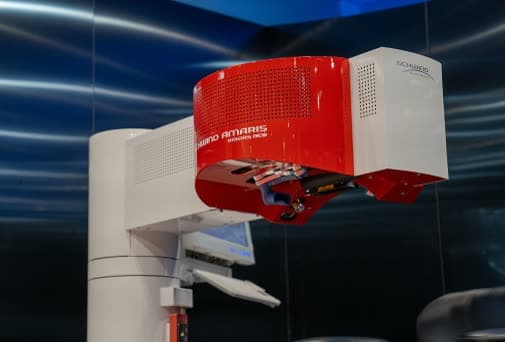
Why have ICL in Korea
An in-person visit in Seoul allows time for eye measurements and a discussion of lens options. Before travelling, arrange the examination and language support, then plan your stay around lens availability and the follow-up visits you need.
Cost
The estimate depends on the selected lens, whether one or both eyes are treated, and your examination findings. Review a written breakdown of surgery, lens, medication and follow-up charges before deciding.
Frequently asked questions
Can ICL be removed later?
Removal or exchange may be possible when a surgeon considers it appropriate. It requires another operation and does not guarantee a return to the eye’s original condition.
Does the procedure hurt?
Numbing drops are used, but sensations and discomfort vary. Ask what to expect and follow the prescribed care. Seek prompt eye care for severe or worsening pain or a sudden reduction in vision.
Can I be assessed before I travel to Korea?
You can ask general questions and discuss information to prepare before travelling. Messages and a prescription alone cannot establish suitability. Lens selection requires an in-person eye examination and measurements.
Is ICL better than LASIK?
Neither is better for everyone. They use different methods and have different suitability criteria and risks. Your surgeon assesses your prescription and eye anatomy before discussing the options.
How long does the lens last?
The lens is intended to remain in the eye long-term. Regular checks monitor its position and your eye health. If your eyes or vision change, your surgeon may discuss further treatment, including removal or exchange.
Continue Your Research
Related Procedures
Explore other treatments that may be relevant to your case.