Cataract Surgery in Seoul for Mongolian Patients and Family Caregivers
A practical guide to the process, lens options, and travel logistics for seniors and the families supporting them…
Understanding Cataracts and Why Seoul Is a Common Choice
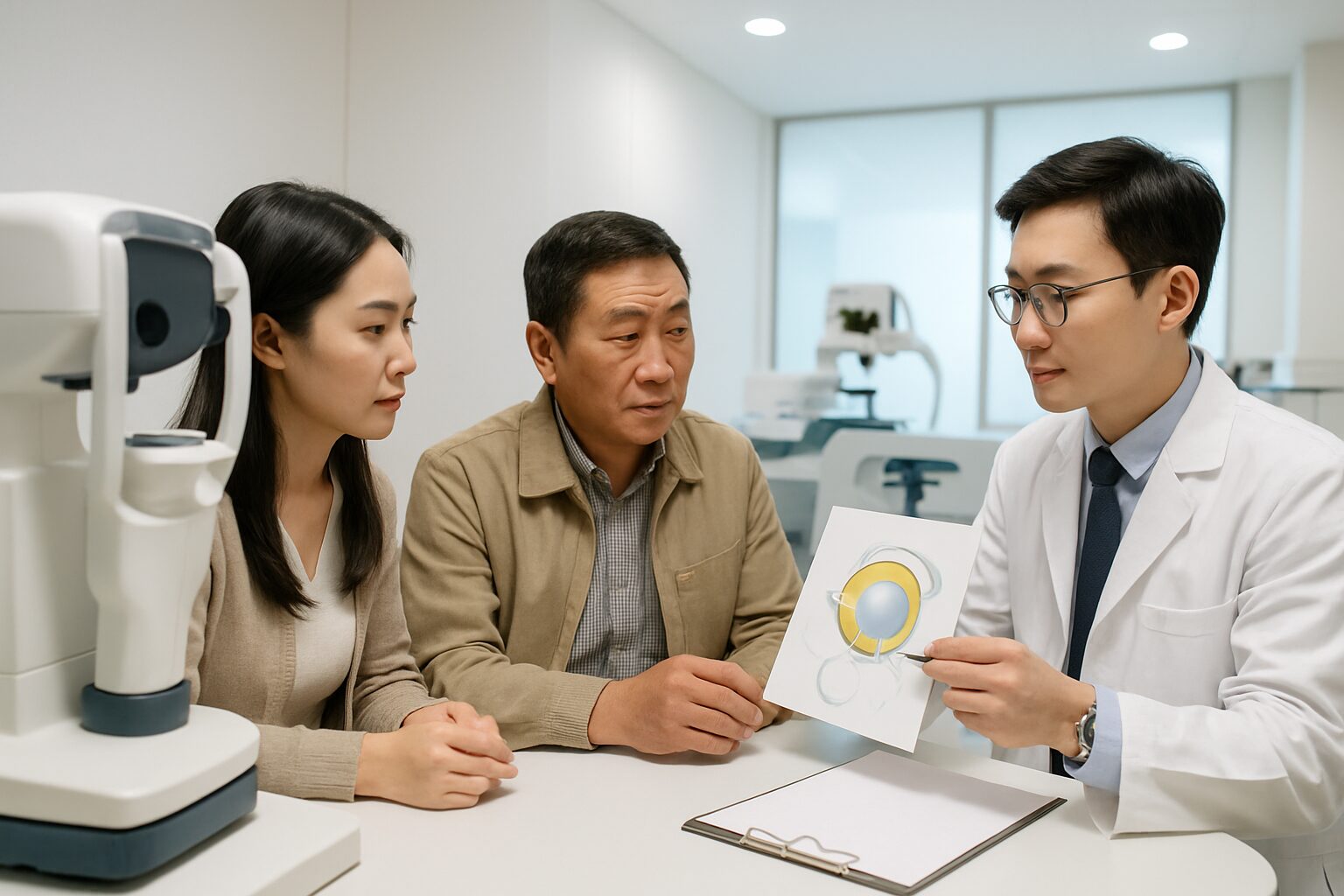
A cataract is a clouding of the eye’s natural lens, usually caused by aging. It develops slowly, so many seniors do not realize how much vision they have lost until reading, watching television, or recognizing faces becomes difficult. Surgery is the only effective treatment: the cloudy lens is removed and replaced with a clear artificial intraocular lens (IOL).
Mongolian patients often choose Seoul because waiting times are short, diagnostic equipment is advanced, and the surgical teams perform high volumes of these procedures every week. Direct flights between Ulaanbaatar and Seoul also make travel manageable for older patients. Many families value being able to combine a thorough eye examination, surgery, and follow-up into one focused trip.
The Step-by-Step Surgical Process
Cataract surgery itself is usually quick, often taking around 15 to 20 minutes per eye, though the full clinic day is longer. Understanding the sequence helps caregivers prepare.
- Consultation and measurements: The surgeon examines the eye, measures its dimensions, and discusses lens choices and your daily vision goals.
- Pre-operative checks: Blood pressure, blood sugar, and general health are reviewed, especially for diabetic or hypertensive seniors.
- Surgery day: Eye drops numb the eye. The cloudy lens is removed using ultrasound and replaced with the chosen IOL. The patient stays awake but feels little or no pain.
- Recovery and follow-up: Vision often improves within days. Several follow-up visits confirm healing and check eye pressure.
Most patients have one eye treated at a time, with the second eye done a short while later once the first has stabilized.
Comparing Lens Options
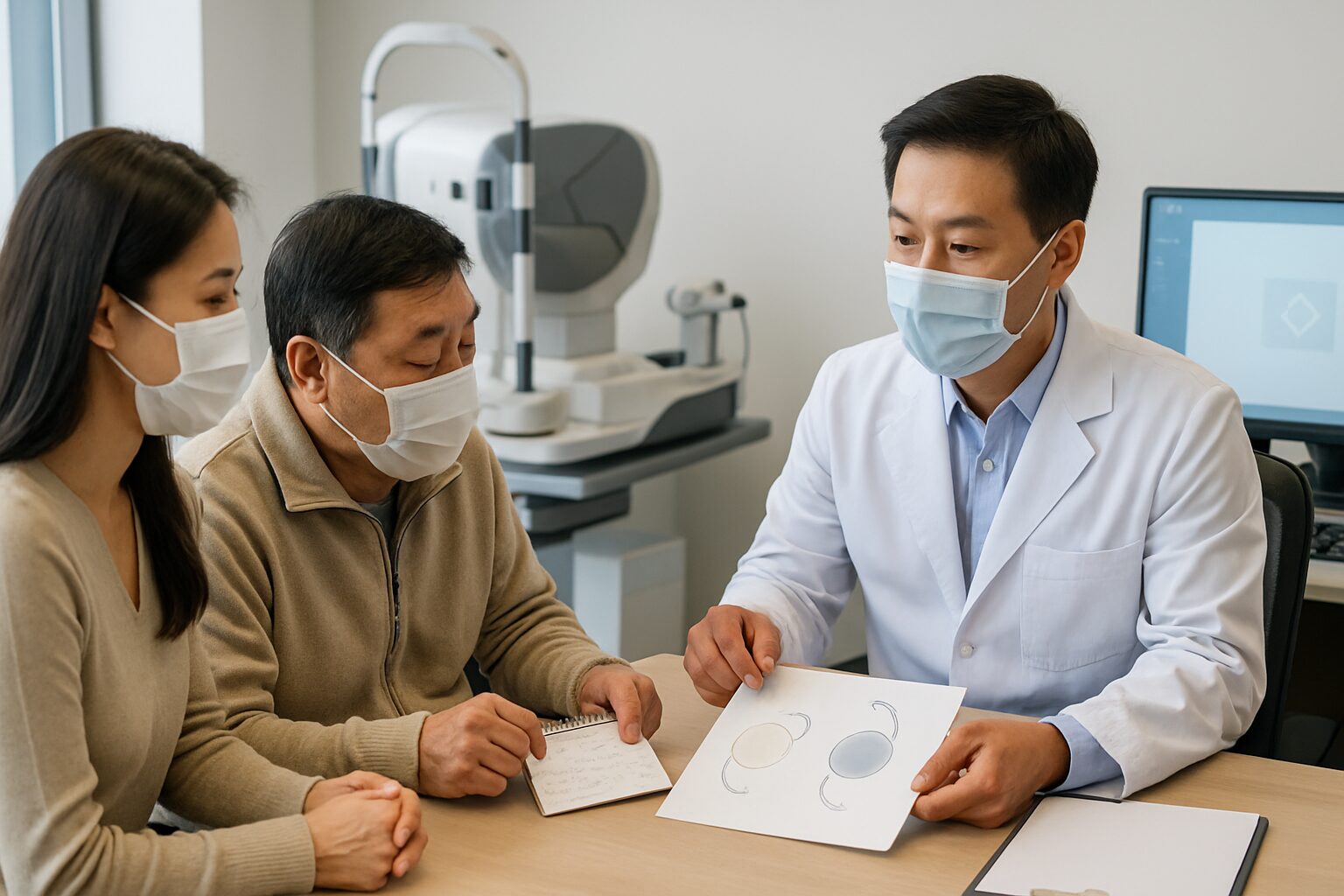
Choosing the right intraocular lens is one of the most important decisions. The surgeon will recommend an option based on the patient’s eye health, lifestyle, and budget.
| Lens Type | Best For | Things to Consider |
|---|---|---|
| Monofocal | Clear distance vision; reliable and widely used | Reading glasses usually still needed |
| Multifocal | Reducing dependence on glasses for near and far | Some patients notice halos at night |
| Toric | Patients with astigmatism | Requires precise alignment |
| Extended depth of focus | Smooth range from intermediate to distance | Near vision may still need correction |
For many elderly Mongolian patients, a reliable monofocal lens is a sensible, affordable choice. Others who want more freedom from glasses may prefer premium lenses. The surgeon will explain trade-offs honestly during the consultation.
Safety, Candidacy, and Honest Expectations
Most seniors are good candidates for cataract surgery, but each case must be assessed individually. Conditions such as advanced glaucoma, diabetic eye disease, or macular problems can affect the final result. The surgical team needs an accurate medical history, including current medications, diabetes status, and blood thinners.
Cataract surgery has a strong safety record, but it is still surgery. Rare complications such as infection, swelling, or increased eye pressure can occur, and outcomes vary by individual.
Honest expectations matter. Surgery can dramatically restore clarity, but it cannot guarantee perfect vision in every case, especially when other eye conditions are present. A clear conversation with the surgeon before booking protects both the patient and the family from disappointment.
A Practical Checklist for Family Caregivers
Caregivers play a central role, especially when the patient does not speak Korean or English. Preparing in advance keeps the trip smooth.
- Bring a list of all current medications and recent medical reports.
- Confirm passport validity and travel insurance before departure.
- Arrange accommodation close to the clinic to reduce travel after surgery.
- Plan for someone to accompany the patient at all times during recovery.
- Bring sunglasses for light sensitivity after surgery.
- Allow enough days in Seoul for follow-up visits before flying home.
- Ask the clinic about interpreter support in advance.
Because the patient may have blurred vision and eye shields after the procedure, the caregiver should expect to help with walking, meals, and applying prescribed eye drops on schedule.
Plan Your Consultation and Travel
The best first step is a remote consultation so the team can review the patient’s situation before you book flights. Smile Eye Clinic supports international patients with planning, scheduling, and interpreter assistance, helping Mongolian families understand options before arriving in Seoul.
To start, contact the clinic by phone or WhatsApp at +82-10-5772-0210 or visit https://smile-i.com/. Share the patient’s age, general health, and current vision concerns so the team can advise on timing, lens options, and how many days to plan in Seoul. With clear preparation, families can approach the trip with confidence and focus on what matters most: restoring a loved one’s sight.