Is Laser Eye Surgery in Korea Safe? How Safety Is Managed and What to Ask Your Surgeon
A practical safety guide covering screening, surgical standards, follow-up care, and the exact questions to raise during your consultation.

How Safety Really Begins: Pre-Surgery Screening
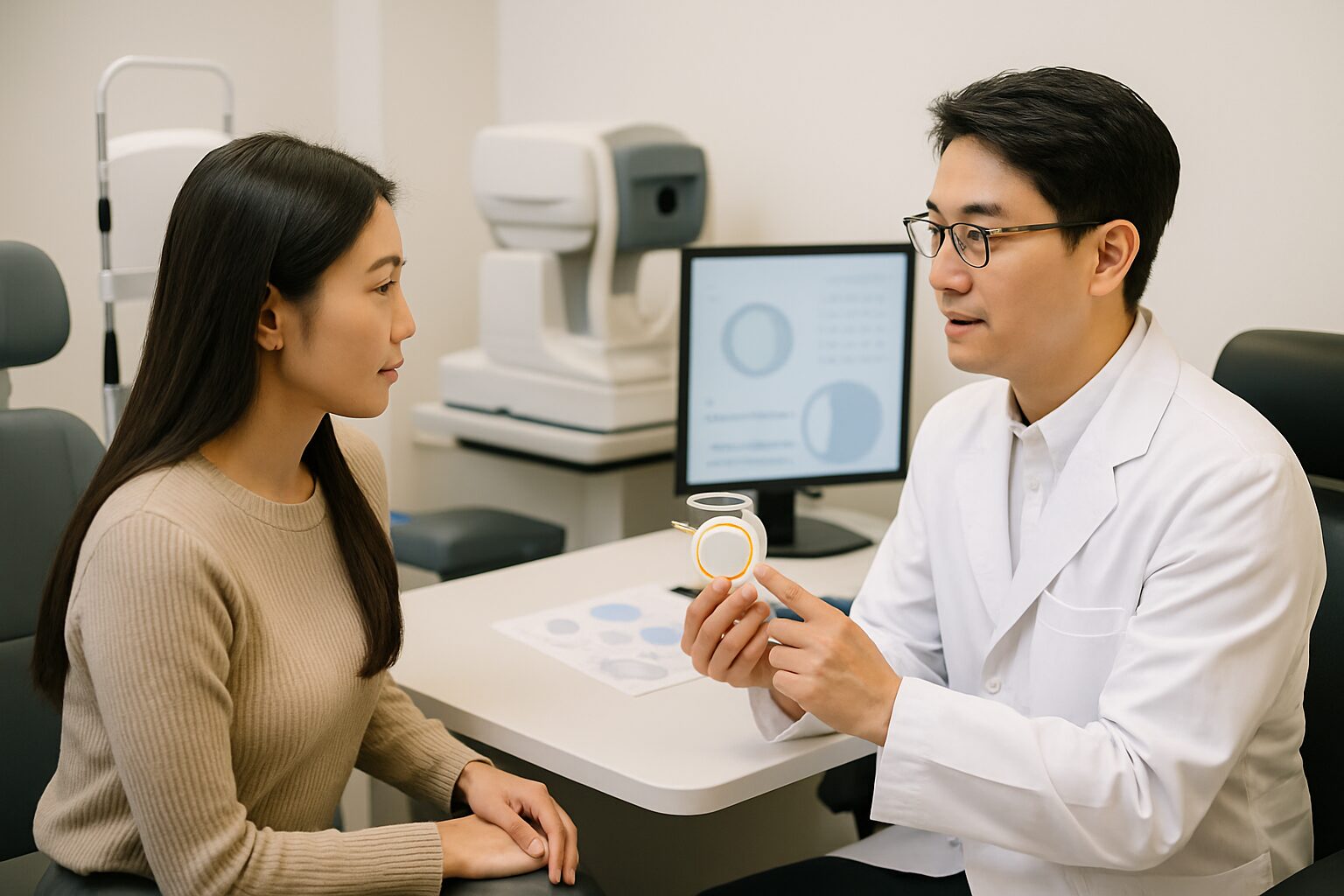
The single most important safety step happens before any laser touches your eye. A thorough screening identifies who is a good candidate and, just as importantly, who is not. At Smile Eye Clinic Korea, screening typically involves more than a dozen measurements, not a quick eye chart test.
Key examinations include corneal topography and tomography to map the shape and thickness of your cornea, pupil size measurement under different lighting, tear film and dry-eye assessment, retinal examination, and a precise refraction to confirm your exact prescription. These tests reveal hidden risks such as early keratoconus, corneas that are too thin for laser ablation, or signs of significant dry eye that could worsen after surgery.
A responsible clinic will sometimes tell you that you are not a candidate for a particular procedure. That honesty is a safety feature, not a sales failure. If a clinic is willing to operate on anyone who walks in, treat that as a warning sign.
Matching the Right Procedure to Your Eyes
Safety improves dramatically when the procedure fits the patient. Different techniques suit different corneas, prescriptions, and lifestyles.
| Procedure | Best suited for | Key safety consideration |
|---|---|---|
| SMILE PRO | Myopia and astigmatism, active lifestyles | Small incision, flapless, lower dry-eye risk |
| SMILE LASIK | Broad range of myopia and astigmatism | Reliable, well-studied, requires adequate corneal thickness |
| 2DAY LASEK | Thinner corneas, contact-sport athletes | No flap, longer comfort recovery |
| ICL EVO/ECHO | High prescriptions, thin corneas, dry eyes | Removable implant, no corneal tissue removed |
For example, a patient with thin corneas and a very high prescription may be a poor candidate for laser ablation but an excellent candidate for an ICL implant. A skilled surgeon chooses a suitable path for your anatomy rather than promoting one fixed solution.
Surgical Standards, Technology, and Surgeon Experience
Once you qualify, three factors drive safety inside the operating room: the equipment, the protocols, and the hands performing the procedure.
Modern laser platforms include eye-tracking systems that follow tiny movements and pause if your eye drifts, reducing the chance of decentered treatment. Sterile, single-use surgical supplies and controlled operating environments lower infection risk. These are baseline expectations in a credible clinic.
Surgeon experience matters enormously. Smile Eye Clinic Korea reports more than 70,000 surgeries performed and a team of 4 senior surgeons treating international patients from many countries.
High volume is not just a marketing number; it correlates with smoother procedures, faster recognition of unusual cases, and better management if anything unexpected occurs. Ask how many of your specific procedure the surgeon performs each year.
Recovery and Follow-Up: Where Safety Continues
Surgery is only half of the safety picture. The healing period is when complications are caught early and corrected. A strong aftercare plan includes scheduled checkups in the first days, medicated eye drops to prevent infection and control inflammation, and clear instructions on activity, screen time, and protection.
For international patients, follow-up requires planning. Most clinics ask you to stay a few days after surgery for at least one or two in-person checks before flying home. After that, your clinic should provide remote follow-up support and a written summary your home eye doctor can use. Confirm this before booking, because skipping early checkups is one of the most preventable safety risks.
Temporary side effects such as dry eyes, glare, or halos at night are common in the early weeks and usually fade. Knowing what is normal versus what needs urgent attention is part of safe recovery, so make sure you leave with emergency contact details.
The Exact Questions to Ask Your Surgeon
Use this checklist during your consultation. Good clinics welcome these questions.
- Based on my scans, which procedures am I a candidate for, and which should I avoid?
- What is my corneal thickness, and is it adequate for laser treatment?
- How many of this exact procedure has my surgeon performed?
- What are the realistic risks and side effects in my specific case?
- What happens if I am unhappy with the result or need an enhancement?
- What is the full follow-up schedule, including remote support after I return home?
- What are the warning signs that should prompt me to contact you urgently?
If answers feel rushed, vague, or pressured, slow down. A trustworthy surgeon explains both the benefits and the limits clearly.
Planning Your Consultation and Travel
Many patients combine their procedure with a short, well-organized trip to Seoul. A typical plan includes pre-surgery testing, the procedure itself, and a few recovery days with follow-up visits before returning home. Bringing your current glasses prescription and any past eye records helps the screening run smoothly.
If you want a personalized assessment of which procedure suits your eyes and what to expect, the team at Smile Eye Clinic Korea in Gangnam, Seoul can guide you through screening and planning. Reach out by phone or WhatsApp at +82-10-5772-0210 or visit https://smile-i.com/ to start a consultation. Ask your questions early, insist on thorough screening, and choose safety over speed every time.