
Screens, Study and Work After Vision Correction
Most patients go back to a screen, not to a beach. Here is what the first weeks of screen work tend to feel like and how to make them easier.
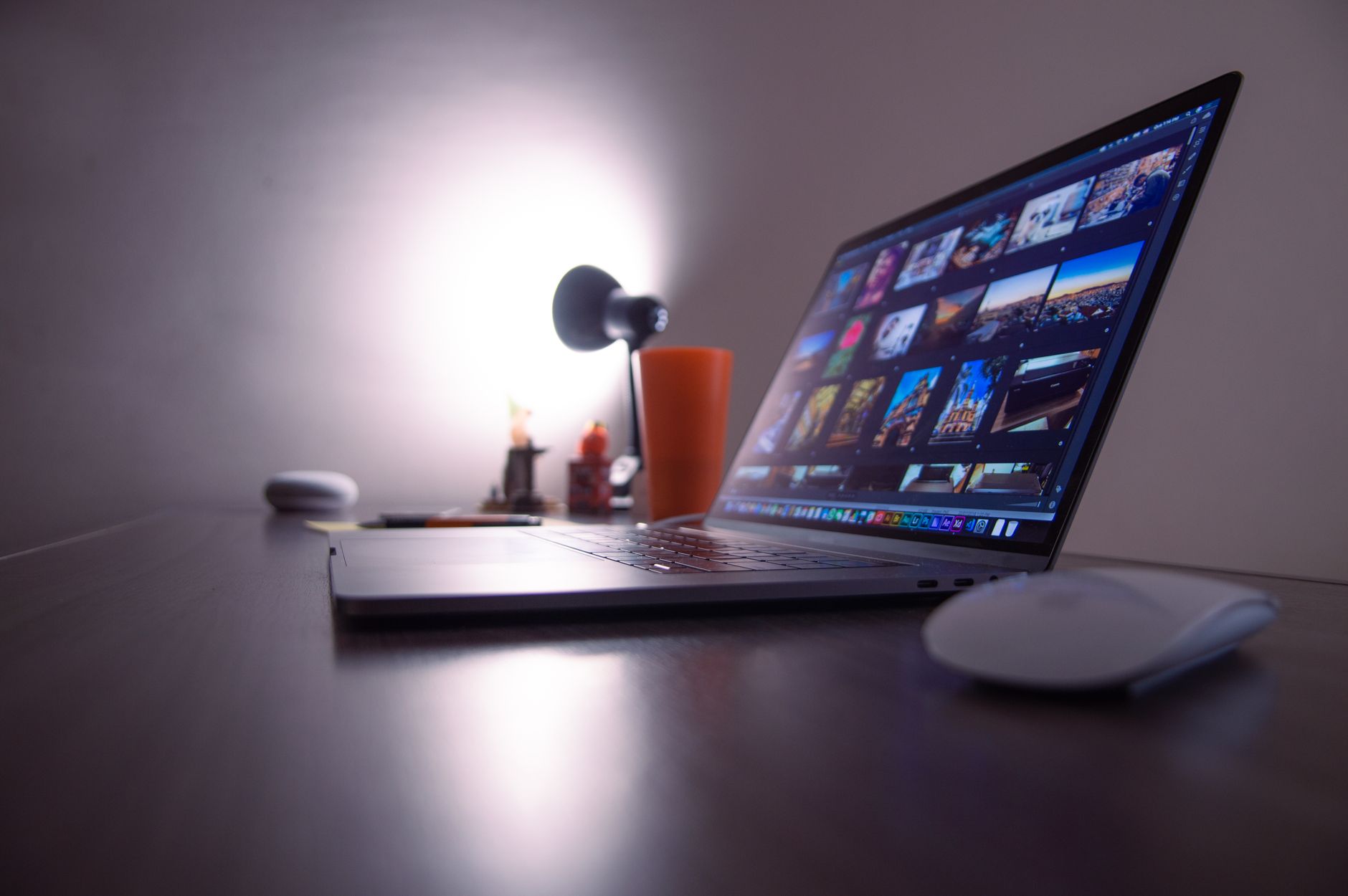
Most people go back to a screen
Aftercare advice tends to talk about swimming pools and sunlight. In practice most patients return to a desk, a laptop or a phone, often within days. That is the environment the recovery actually happens in, and it deserves more attention than it usually gets.
This is particularly true for students and office workers, where the volume of close-range screen time is not really optional.
Why screens feel different at first
Two things overlap in the early period.
The first is dryness. Eyes tend to be drier than usual while the corneal surface is healing, because nerves involved in the tear reflex are temporarily affected. Screen work makes that more noticeable for a reason unrelated to surgery: people blink less when concentrating on a screen. The two effects stack.
The second is that vision itself is settling. Sharpness can fluctuate through the day in the early period, and small changes are more obvious on text than on a landscape. Reading a document is one of the more demanding things you can ask of an eye that is still stabilising.
Neither of these means something has gone wrong. They mean the environment is amplifying a normal recovery pattern.
What tends to help
Deliberate blinking. It sounds trivial and it is the single most useful habit in the first weeks, because the reduced blink rate is doing much of the damage.
Regular breaks from close focus. Looking at something distant periodically gives the focusing system a rest, and the widely used version of this is a short look into the distance every twenty minutes or so.
Screen position slightly below eye level, so the eyelids cover more of the surface than they do when you look up at a monitor. This reduces the area exposed to air.
Attention to the room rather than just the screen. Air conditioning blowing towards your face, dry heated air in winter and low humidity all matter more than usual during recovery.
Using the drops your surgeon prescribed on the schedule given, rather than only when your eyes feel uncomfortable. The schedule exists because the discomfort lags behind the dryness.
What to ask your surgeon
When you can resume your normal volume of screen work, given what you actually do. A student in exam season and an occasional email user get different answers.
Whether there is a limit worth observing in the first period, and what it is.
Which sensations during screen work are expected and which are worth reporting. This matters more than it sounds, because the first weeks produce plenty of new sensations and you cannot report all of them.
How long fluctuation in sharpness is expected to continue for your procedure, so you are not assessing your outcome from a difficult afternoon.
For patients travelling from Mongolia
Your return to full screen work happens at home. Two things to settle before departure.
Get the drop schedule in writing, with the names of the active ingredients as well as the brands, so a pharmacy at home can help if you need more.
Agree what would prompt you to contact someone, and by which channel, accounting for the time difference. Discomfort during screen work in the early weeks is common; knowing which version of it is worth reporting keeps you from either worrying unnecessarily or waiting too long.
Our coordination team provides Mongolian-language support and the consultation can be held in Mongolian, so these details are not lost in translation.
Before you book
Tell us what your work or study involves when you enquire. It changes what the aftercare plan needs to cover and, for some patients, when in the year the surgery is best scheduled. Final assessment and planning are confirmed after examination here.
FAQ
When can I use a computer again after surgery?
Your surgeon sets this based on the procedure and your healing, so a general figure would be misleading. Tell them how much screen work your job or studies actually involve, because the answer for an exam-season student differs from occasional email use.
Why do my eyes feel worse on a screen than elsewhere?
Two effects stack. Eyes are drier than usual while the surface heals, and people blink less when concentrating on a screen. The environment is amplifying a normal recovery pattern rather than indicating a problem.
Is fluctuating sharpness normal in the first weeks?
Vision settling over a period is expected, and small changes show up more on text than on distant scenes. Ask your surgeon how long fluctuation is expected for your procedure so you are not judging the result too early.
Should I use drops only when my eyes feel dry?
Use them on the schedule you were given. Discomfort tends to lag behind the dryness itself, so waiting for the feeling means treating it later than intended.